Categories
AAA peripheral aneurysm

Consult QD post regarding iliac branched grafts

IMG_2914.JPG

Link to Clinic blog post regarding iliac branched grafts (link).

Categories
Uncategorized

The Time I Crashed the VEITH Symposium

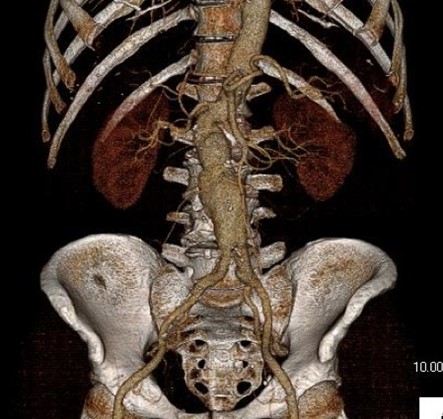
One of the many conversations I had with Dr. PJ O’Hara, who just recently retired, was about the place of traditional open vascular surgery. It is well known that many vascular surgeons are graduating with only a handful of open aortas. The idea of creating an open vascular (exovascular) fellowship was actually floated among the society leadership, but I suspect it was mainly the kind of idea that occurs when seasoned surgeons get together for a beer. This CTA above shows the kind of aneurysm that still benefits from open repair. It is a juxtarenal AAA with a highly angulated, short neck. This was one of the cases I did in my last practice. The patient did very well and went home on POD #5. A CT was done at a later date for possible dissection (there was none) but I got to check out my work (below).

Unlike my patients who undergo EVAR, this patient won’t need intensive lifelong followup. While there is a small rate of complication in the mid and long term with open repair, these are infrequent and frankly rare. This is in contrast to the demands, often spelled out in the IFU’s, of stent grafts that require imaging and followup at 1 month, 6 month, 12 months, and annually for life. This is usually a CT scan and ultrasound, plus time and travel. While this is usually an agreeable tradeoff to most patients who are easily frightened by open aortic surgery, the cost to our healthcare system is not trivial.
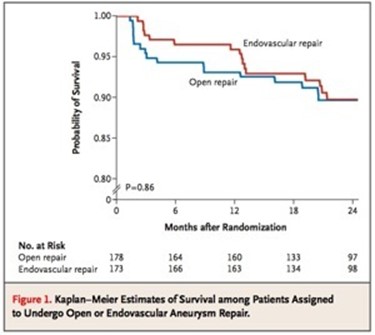
The DREAM trial showed that the benefit of EVAR versus open repair is lost after a year. Most of the benefit is in the short term –in hospital stay, complication rates, and recovery time. EVAR also allows more surgeons and even nonsurgeons to treat aneurysms. Clearly, for the higher risk patients, the extra year or two of complication free life is worthwhile and avoiding possible death from open aortic surgery may be a good thing, but for the majority of patients, we still have to ask far more and far better from the technology. This starts with getting reintervention rates closer to zero and significantly diminished followup protocol printed on the IFU. It also means allowing it to cost the same as open surgery. It probably means changing the way we assess and approve medical devices.

My personal journey through the past twenty years since I started my career (I was an intern in 1994!) has been a witness to vast changes in how we treat vascular diseases. Vascular surgery was more art than science, and many fellowships were indentured servitude to a famous surgeon, usually with a fearsome reputation. There was selection pressure in the process for certain personality types – fanatically committed to received wisdom and suspicious of change. Frankly, I was not a good fit, being relatively open minded, suspicious of dogmatism, and always looking for a better way.

There was an industry sales representative back those Manhattan days. David Hunt took an interest in the peons and always brought in the best food and swag –I know this is verboten these days, but I’m talking about history here. He brought in needle holders and sutures, and trays for holding grafts for practicing anastomoses, which I did practice on those interminable weekend calls up in our Stuyvesant 10 call rooms. When you ran out of grafts, a call to Dave, and he’d bring in several bags of graft (PTFE). Clearly, the crack dealers and lobbyists didn’t have a monopoly on this sort of sales technique.

One day, he brought in stent grafts –something out of the labs, and mockups of AAA’s. My mind reeled playing with EVAR. This was the future. That fall, I pulled some favors and left work early, and got to the Hilton wearing a blazer over my scrubs. Sneaking into the Veith Symposium, I was shopping my own future. I walked around the halls laden with all kinds of stent grafts and mock ups of space age operating rooms with fluoroscopy built into them. Dodging the security, I snuck into lectures and listened to the early data, and the resounding condemnation of the angry old men. I had to be part of this. This was supercool. This was the future.

I wasn’t alone in this endo-enthusiasm. A whole generation of vascular surgeons fell into its spell. There was the urgency of training to avoid the perceived obsolescence of not being able to perform endovascular procedures. Back then, it was very difficult to get training and subsequently privileging to do endovascular. I had the great fortune of working with Dan Clair while we were at Columbia in the early 00’s.

Even back then, I also perceived a rush to cast off open surgery, even in myself. There was a thrill at crossing a long SFA occlusion with a wire. It felt like victory sparing someone a long vein bypass operation. Every year, new gadgets came along to make the crossing and opening of closed arteries slicker and easier. But the truth echoed in the condemnations of the angry old men, many who were at this point retiring en mass, was that most of these procedures weren’t very durable. Where a vein bypass would be good for years, these interventions were sometimes only good for a few months. Many practitioners, usually not vascular surgeons, vocalized that two or three of these procedures was better for the patient than any single huge operation, and (sotto voce) was better for the revenue stream. Procedural failures definitely put water on the fire, especially after the news that many of the investigators for these new devices were also investors.

Endo-enthusiasm grew into eventually a more mature perspective. Which brings me to the point of this meandering entry. I see the best results when the range of potential therapies are tailored for the needs of the patient. A frank discussion about the short, mid, and long term outcomes of any approach allows for a deliberative planning discussion that many patients, especially those who come with literature and research in hand, appreciate. This can only be possible with a practitioner who has mastered both endo and exo– vascular techniques.

I tell people who are applying for vascular surgery training that one of the best metrics for judging a program is the volume of hybrid procedures being performed. It speaks to an ease with all possible techniques and a philosophy based on imagining the best possible path for treating a patient. While there is nothing wrong with seeing programs and practices with an “open guy” or “gal” and the “wire guy” or “gal,” there will be an abundance of both endo and exo-enthusiasm, that is bias.

I believe that this secures the future of vascular surgery. Other specialties can generate unlimited number of endovascular specialists, but only vascular surgery can produce the individual who can perform a redo common femoral endarterectomy, profundaplasty, endovascular aortoiliac recanalization, and infrageniculate vein bypass to save a leg and a life. Only vascular surgery can produce the individual who can judge that with any credibility that limb salvage attempts are likely to fail and recommend primary leg amputation and rehab and have the patient walking on a modern prosthetic limb within a month, and maybe even running within a year. And that same surgeon can perform a tibial intervention to heal an ulcer, and understand that it only needs to stay open 6-12 months and forebear reintervention when the artery is closed and the patient healed and asymptomatic.

So I head to the VEITH symposium looking forward to seeing what’s next. I have a badge this time.


Categories
MALS

The Median Arcuate Ligament Compresses the Celiac Plexus -Pathoanatomy

IMG_1141.PNG

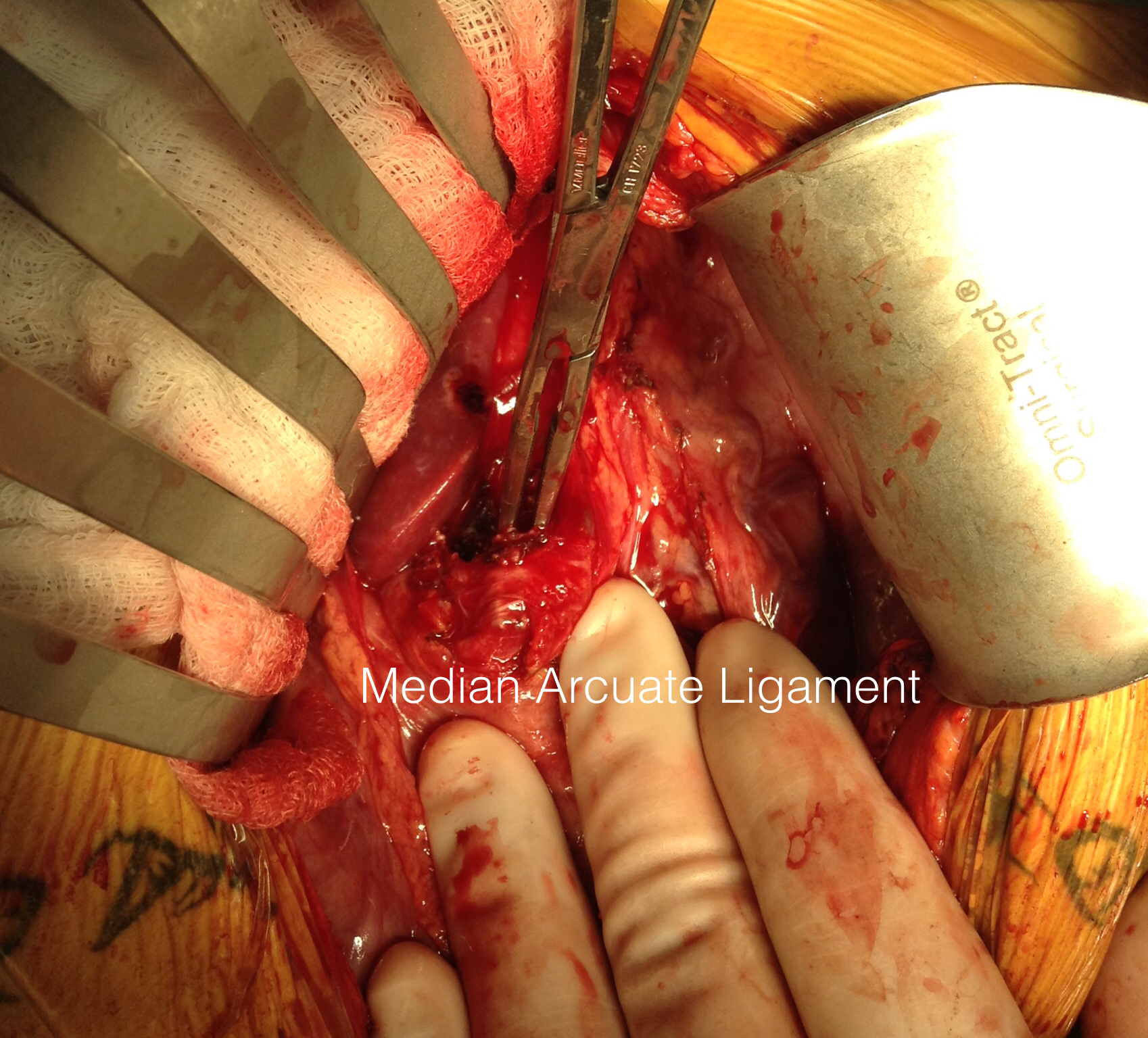
This is a picture from several years ago when I released the median arcuate ligament with open surgery. Seen tented up by the right angle clamp is the fibromuscular tissue over the celiac axis. You can also see a cord of celiac plexus, which gives the foregut somatic sensory innervation. It is becoming clearer that MALS is a nerve compression syndrome in the same way that carpal tunnel compression of the median nerve or thoracic outlet compression of the brachial plexus causes pain. Like nTOS, the arterial compression is a bystander, but a necessary finding in the diagnosis. The celiac axis and median arcuate ligament acts as a nerve compressor. This is why people with MALS respond to celiac plexus block and why it makes sense they don’t have mesenteric ischemia.

IMG_1143.PNG

Categories
Carotid

Another Carotid Body Tumor, A Shamblin I, From My Archives

These really are common in the Midwest. When I was a fellow, about one a month was done at the other Clinic. Shamblin, who ironically never went into vascular surgery, wrote the paper with the eponymous classification while a medical student.

October 16, 2008

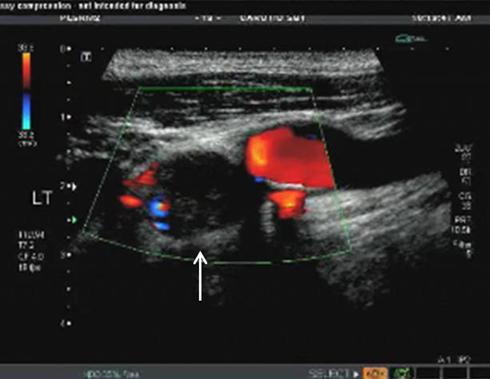
This patient underwent a screening carotid artery duplex scan, and was found to have a 15mm mass in his carotid bifurcation. He was asymptomatic. On exam, there was a nodule that was palpable through the skin.

He was taken to the operating room with myself and Dr. Simon Wright, otolaryngologist, and we found a small discrete mass basically as anticipated on CT. The incision was along skin lines, and all the nerves were dissected using McCabe clamp. Hemostasis was maintained with sutures, clips, and a harmonic scalpel which was used to avoid transmission of electrical energy into the wound.


The mass gets its perfusion from multiple branches from the external carotid artery. By patiently dissection these, the tumor was dissected and removed. This was a Shamblin Type I lesion (see blog entry). The patient recovered without complication and was discharged the next day.

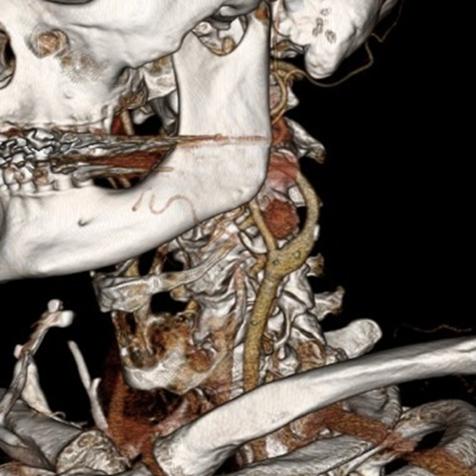
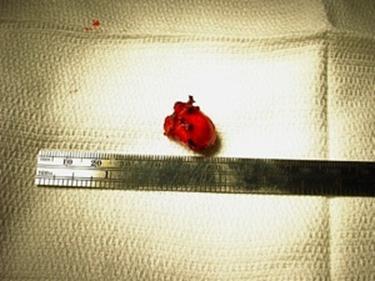
The panel below right shows the screening carotid duplex study which found the lesion. The CTA above shows the lesion in its typical location. The oblique axis MPR view shows the mass to have multiple vascular supply, but to be discrete and not invading the artery. The photos above show the lesion in-situ and ex-vivo.

Path revealed it to be a paraganglionoma.

Categories
Journal Club

December Journal Club

The November Journal Club was held with great attendance from the staff. Dr. Roy Miler was awarded the prize for most symposium-ready talk. December Journal Club will be held December 16, 2014 at Foundation House. The topic is thrombolysis, which has a rich history here at the Clinic. The papers to be discussed are:


Xiaoyi Teng, MD: Freischlag vTOS lysis

Lynsey Rangel, MD: TOPAS NEJM

Francisco Vargas, MD: CAVENT Trial

Categories
AAA Commentary EVAR training

AAA Dynamism


September 11, 2008

This patient presented with abdominal pain and found to have a 9.5cm AAA. CT showed a previous stent graft that had slipped its moorings from a very short neck, and had actually flipped down on itself.

The patient was a very sick man with an AICD, end stage CHF, and severe COPD on home O2, and had been turned down for a heart transplant. He relayed that surgeon who had performed the EVAR 6 years before had informed him to follow up with his primary care physician.

This patient was repaired with an AUI-Fem-Fem with plug occlusion of his left iliac. The patient recovered and was POD #6, to his home.


November 13, 2014

This was not the first patient I had like this. Pictured below is another patient with a similar scenario from my personal photo bank. It is important to understand that aneurysms are dynamic, particularly if tortuous. Many of the early generation grafts were placed with great enthusiasm in all sorts of anatomy and they come back to us. Here at the clinic, Dr. Eric Turney and others reported that from 1999 to 2012, 100 patient required EVAR explant. Overall mortality was 17%, with an elective case mortality of 9.9%, non-elective mortality of 37%, and 56% mortality for ruptures (reference). Excluding the 13% of cases that were infected, progression of aneurysm disease was identified as the cause of late (>5yr) failure. It is a major source of open aortic experience for our trainees.

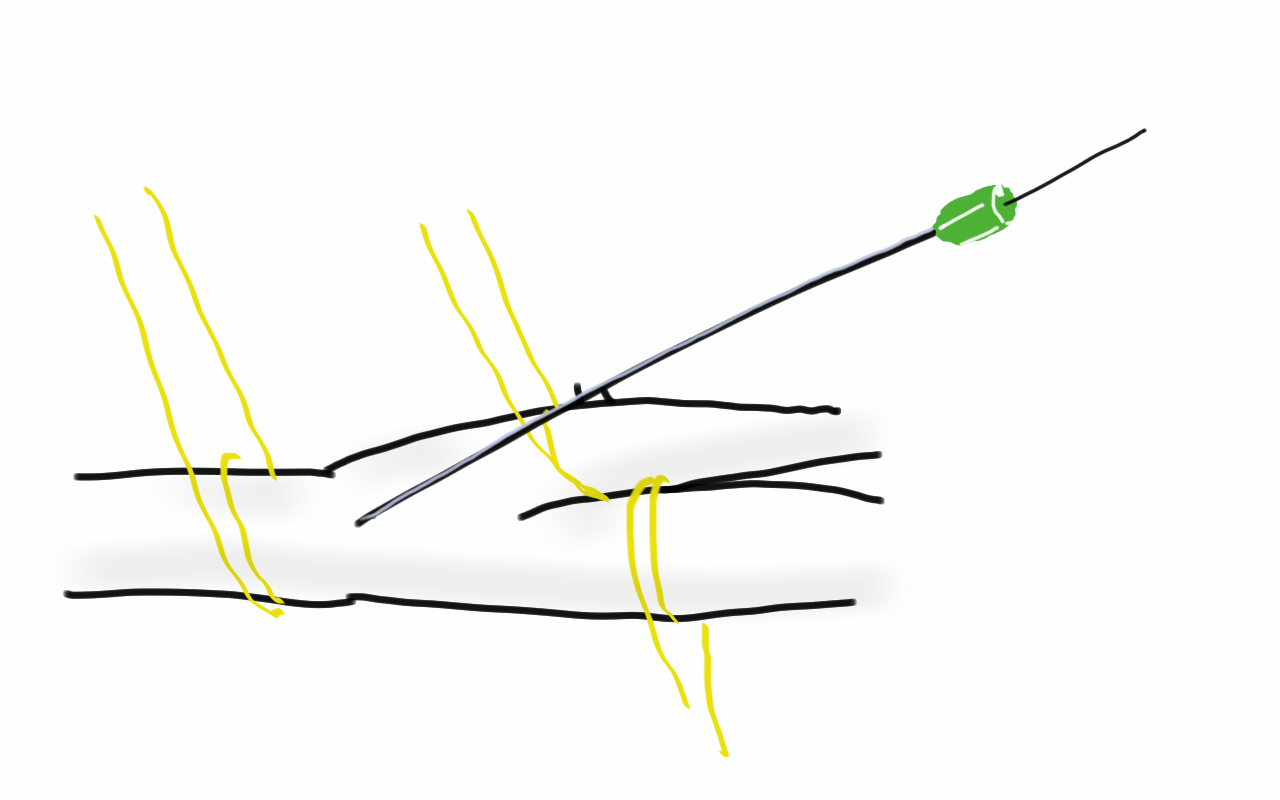
Illustrated below is the mechanism for loss of primary seal when there is a great deal of anterior bowing. Technically, anchoring mechanisms in modern grafts have worked to prevent or delay this effect, but it is something to consider in tortuous anatomy.

Reference: J Vasc Surg. 2014 Apr;59(4):886-93

Categories
PAD techniques training

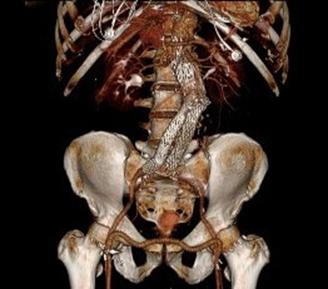
Popliteal Endarterectomy and Short Bypass in Lieu of Multisegment Vein Bypass

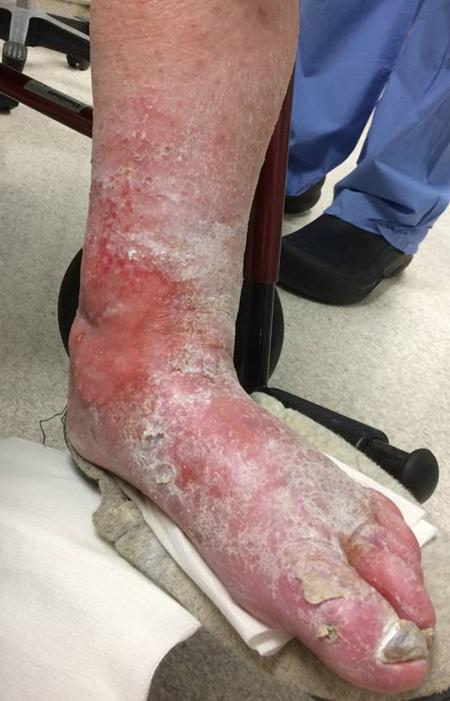
The patient is a very pleasant elderly lady who had a prior EVAR complicated by graft limb thrombosis treated with thrombectomy. She recovered from that but subsequently developed ulceration of her left ankle. She had been sleeping in a chair because it hurt her to sleep flat –her leg and foot would burn with pain. A wound care center had tried an Unna’s boot, but it caused her worse pain, and the ulcer increased in size. At admission, she had an exquisitely tender, edematous leg and ankle with a large ulcer weeping edema fluid. There were no palpable pedal level pulses.

I admitted her for workup and treatment of a mixed etiology arterial and venous ulcer.

These are patients for whom rest pain is relieved by avoiding recumbency, but with prolonged sitting, as in this lady, edema accumulates and starts to leak, creating an ulcer of the venous type, in the medial ankle (gaiter) region. These don’t resolve without addressing the underlying cause which is the arterial insufficiency. Fixing the arterial insufficiency then allows for leg elevation and compression. For the trainees, venous ulcers almost uniformly heal with Unna’s boot therapy. Elevation should relieve discomfort in venous ulcers. Neither of these occurred and raises the suspicion of arterial insufficiency.

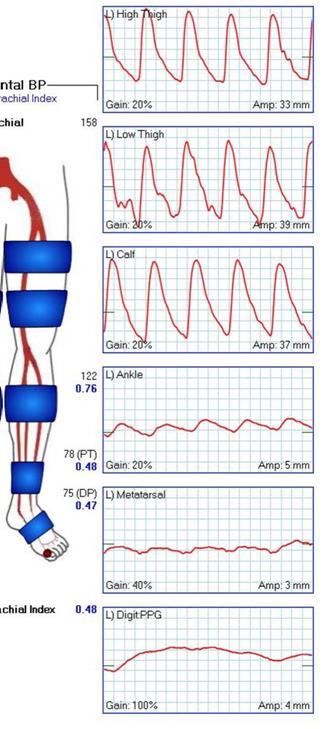
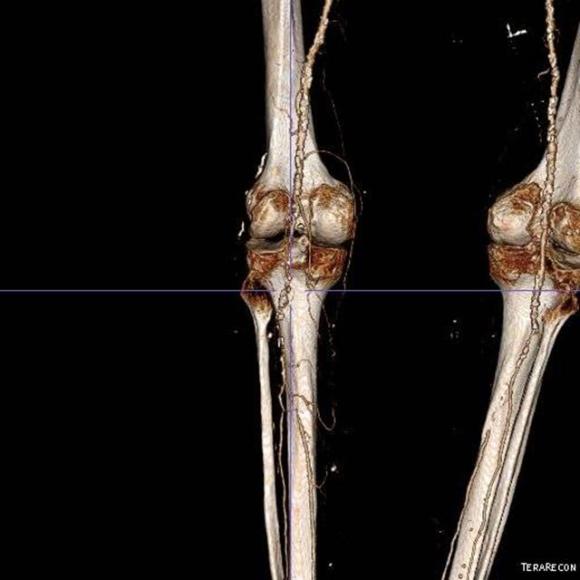
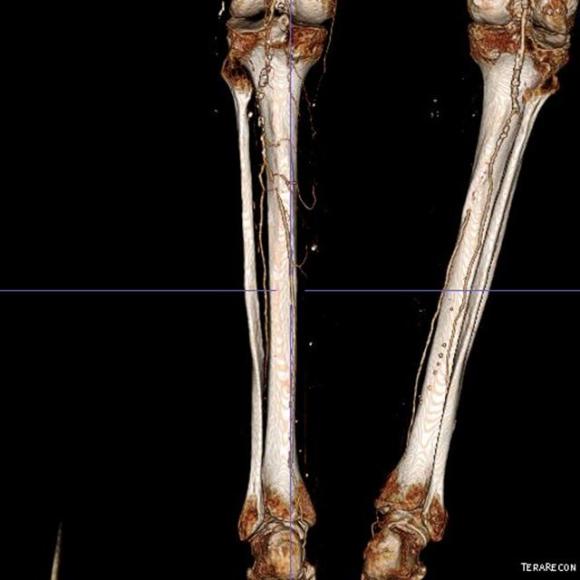
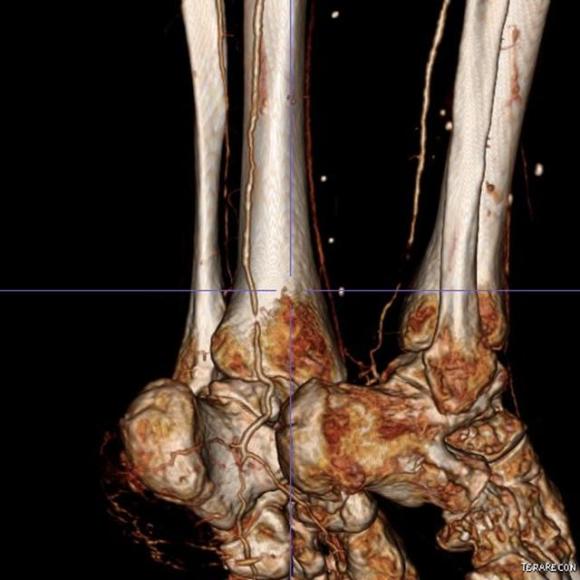
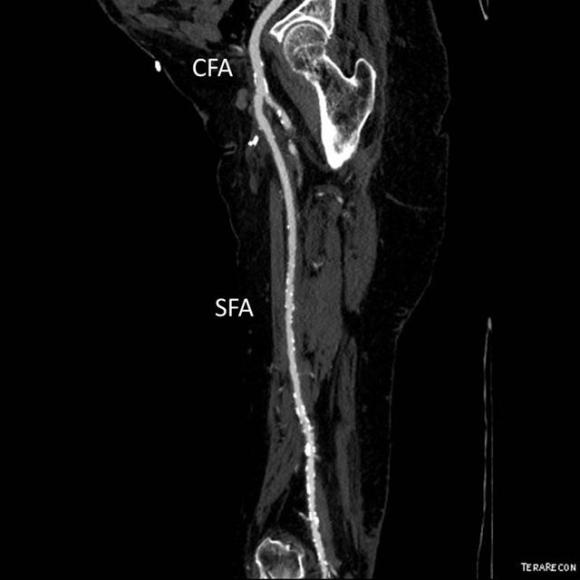
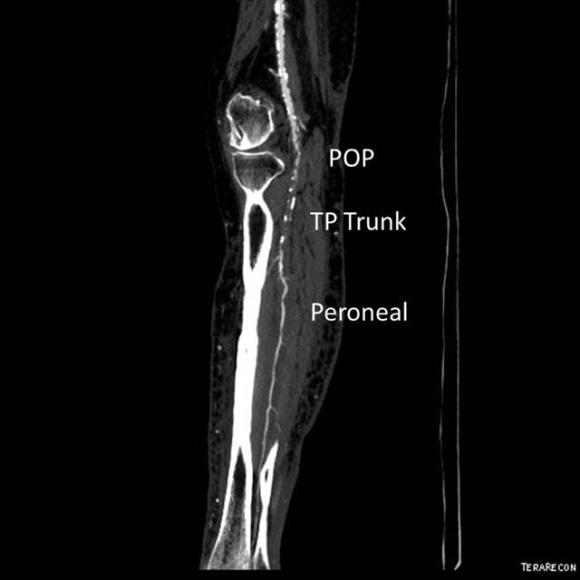
At admission, her PVR’s showed severe popliteal/tibial level occlusive disease. CTA was performed and it showed the common femoral and superficial femoral arteries to be patent but plaque occluded the popliteal artery and origins of the tibial vessels.

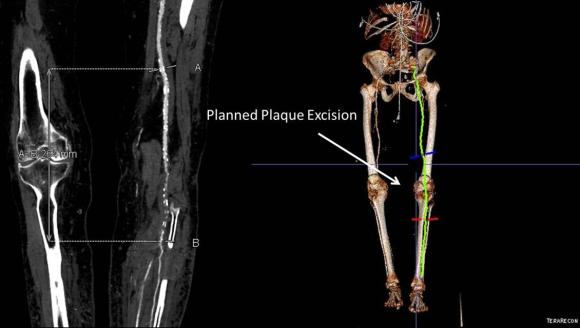
The only patent runoff was via her peroneal artery. Centerline evaluation of the CT scan was performed, with manual centerline created through the occluded segment of popliteal artery. I find this useful for planning endarterectomy and bypasses, and with attention to detail, images that are the equivalent to tibial angiograms come to life. This is a centerline through the femoropopliteal to peroneal system.

Vein mapping revealed a paucity of good vein –only a short segment in the proximal thigh on the left and for a short segment on the right. Stress testing revealed that she was good to moderate risk. Isolated popliteal occlusive disease with poor tibial runoff, while feasible for intervention, is not likely to be durable. Multisegment vein bypass on the other hand, using at least three segments, meant a long operation for this frail old lady and a prolonged recovery. I felt that popliteal endarterectomy and distal SFA remote endarterectomy offered a good option for revascularization, with either a patch repair or a short bypass to the peroneal artery. The backup plan was composite vein, but it was unlikely to be needed because the plaque was not the calcium pipe type plaque that does not endarterectomize well.

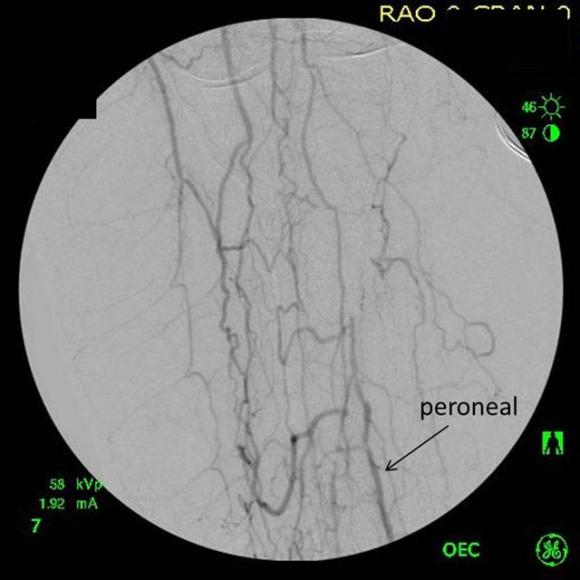
The patient was positioned on the table supine. The short segment of proximal greater saphenous vein was harvested –it was of suitable caliber, but below its first major tributary point, the veins was thick walled and small. The total length was about 10 cm. The below knee popliteal space was opened and the popliteal through tibioperoneal trunk bifurcation was exposed. Antegrade puncture of the common femoral artery allowed for arteriography and it showed the occlusion at the knee with reconstitution of the peroneal artery.

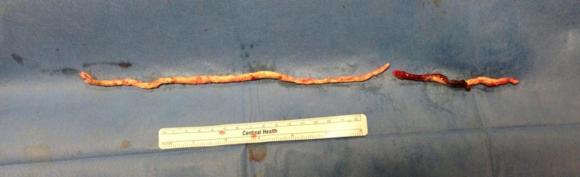
The popliteal artery was opened and endarterectomy of the occlusive plaque was performed. Retrograde remote endarterectomy (EndoRE) with Vollmer rings was performed to the mid superficial femoral artery where on the CTA the calcified plaque ended. The technical point about retrograde EndoRE is that the ring catches as the plaque gets larger more proximally, and has to be swapped out for a larger ring. Ultimately a 7mm Moll Ring Cutter was used to cut the plaque (picture below, arrow to more proximal SFA plaque).

The plaque, because it is larger the more proximal you go, came out with some difficulty via the below knee popliteal artery. This is not a great concern if it won’t come out –you merely have to cut down on the SFA in the thigh to fish out the plaque. In this case, it was not necessary, and it came out in several pieces, facilitated by the cutter which was used to graft the plaque in segments to retrieve it. Unfortunately, I don’t have a picture from this case of the plaque, but I have inserted a popliteal endarterectomy plaque image below from an prior case of popliteal endarterectomy.

This restored pulsatile flow to the below knee popliteal artery. Opening the artery down to the tibioperoneal artery revealed the artery to occluded and I took the endarterectomy to the peroneal artery origin and everted a short segment of posterior tibial plaque. The peroneal artery was large and would accept flow readily, so I chose to bypass to it using the short segment of saphenous vein that I had harvested for a possible patch or short bypass. The vein was reversed and anastomosed in the usual manner. Arteriograms are below.

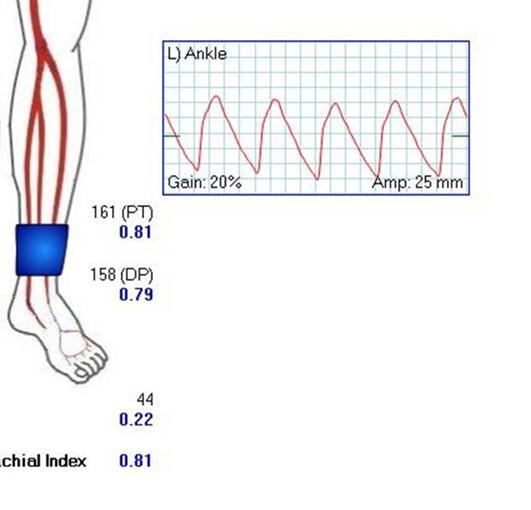
The flows were multiphasic. I attempted to cross the posterior tibial occlusion but ended up with contrast extravasation, therefore stopped with this repair. The patient’s wounds were closed and ulcer cleansed and compressed. In the week postop, she healed her ulcer and her two short incisions, and felt good enough to go home with homecare. Her noninvasive studies and duplex confirmed the patency of her revascularization, and there was a multiphasic signal in her posterior tibial artery as well as peroneal.

In the handful of patients I have managed this way, either with popliteal endarterectomy and patch or short (micro) bypass, they have stayed patent past a year, but do require surveillance. Because of her frailty and unsteadiness of gait, I chose not to anticoagulate with Coumadin which is my usual practice, but have her on Plavix and aspirin.

Categories
AAA techniques

Laparoscopic Ligation of IMA Type II Endoleak

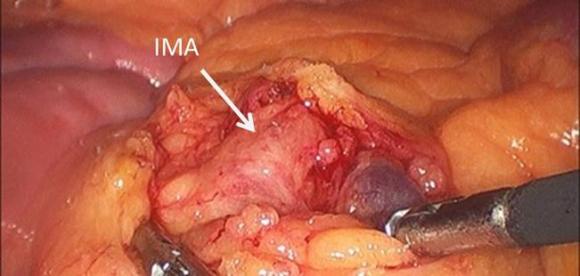
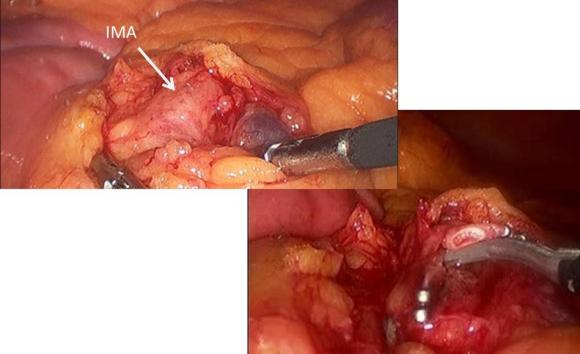
As I had discussed earlier posts, endoleaks can be managed with superselective endovascular access of the AAA sac via the hypogastric artery (Link) or the superior mesenteric artery (Link), but in fact, it may be very easily treated with direct ligation. This patient had a Type II leak causing sac growth from an IMA source and I chose to treat this laparoscopically. The patient was placed in a right lateral decubitus position to use gravity to move the small bowel away from the aorta. An umbilical and left midaxillary line port were placed after pneumoperitoneum was induced. The view above shows the IMA which is readily seen in the retroperitoneum. Ligating it with clips effectively closes the endoleak.


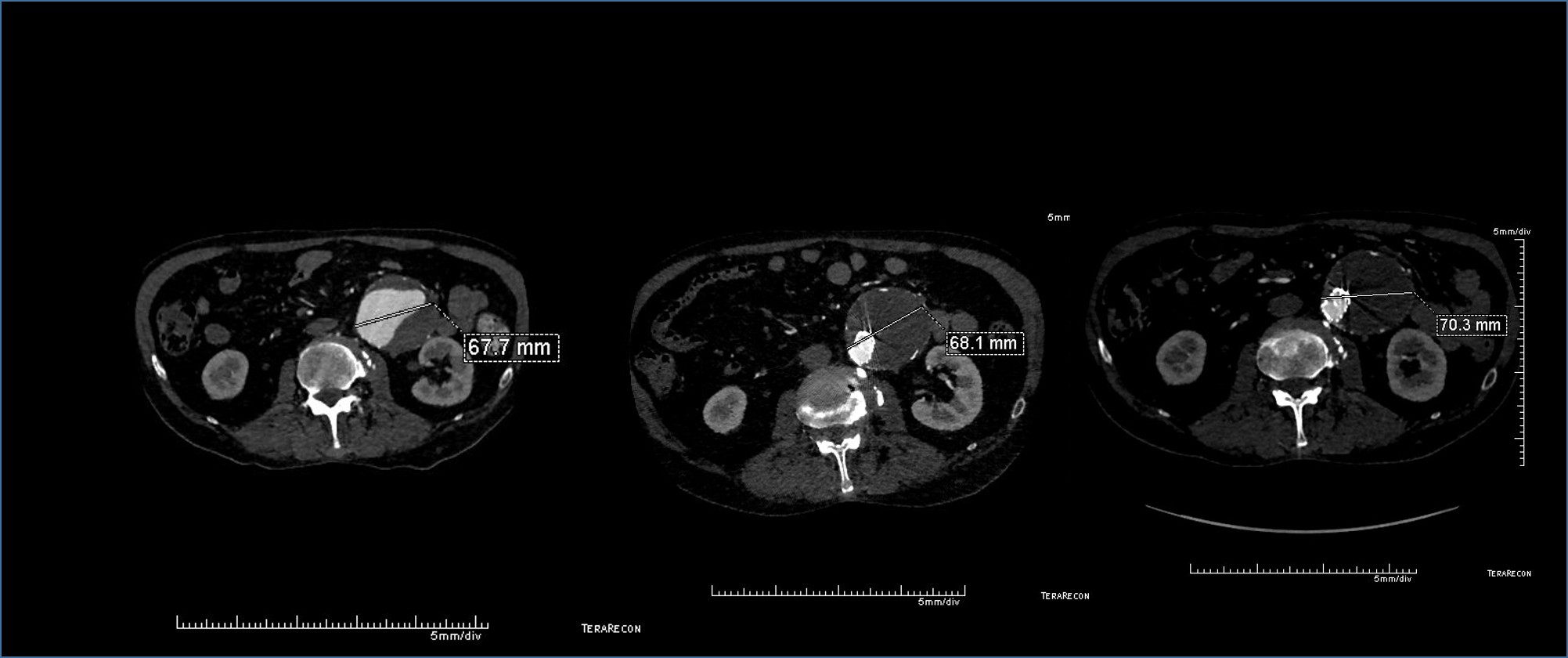
The before and after CT scans show that the endoleak resolves after ligation. This takes about 15-30 minutes of operating.

Categories
AAA CTA EVAR techniques training

Type II endoleak from IMA treated via SMA -concept of building the intervention machine

Picture1

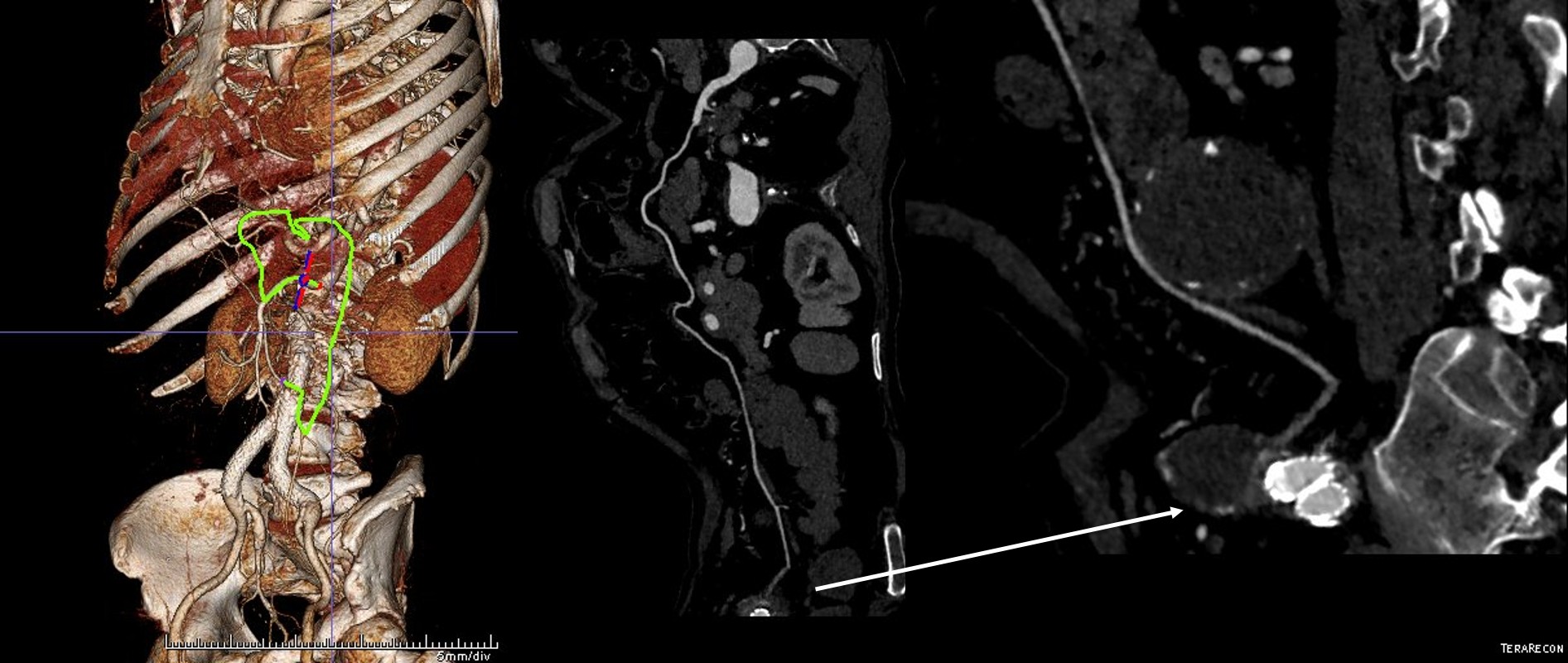
The patient had a successful EVAR or an eccentric infrarenal AAA which in followup grew due to the presence of a type II endoleak from the inferior mesenteric artery. This was seen on the CTA and duplex ultrasound. Planning for assessment and treatment involved analyzing the CTA in centerline, tracking the source of the arterial blood flow into the sac.

Picture2

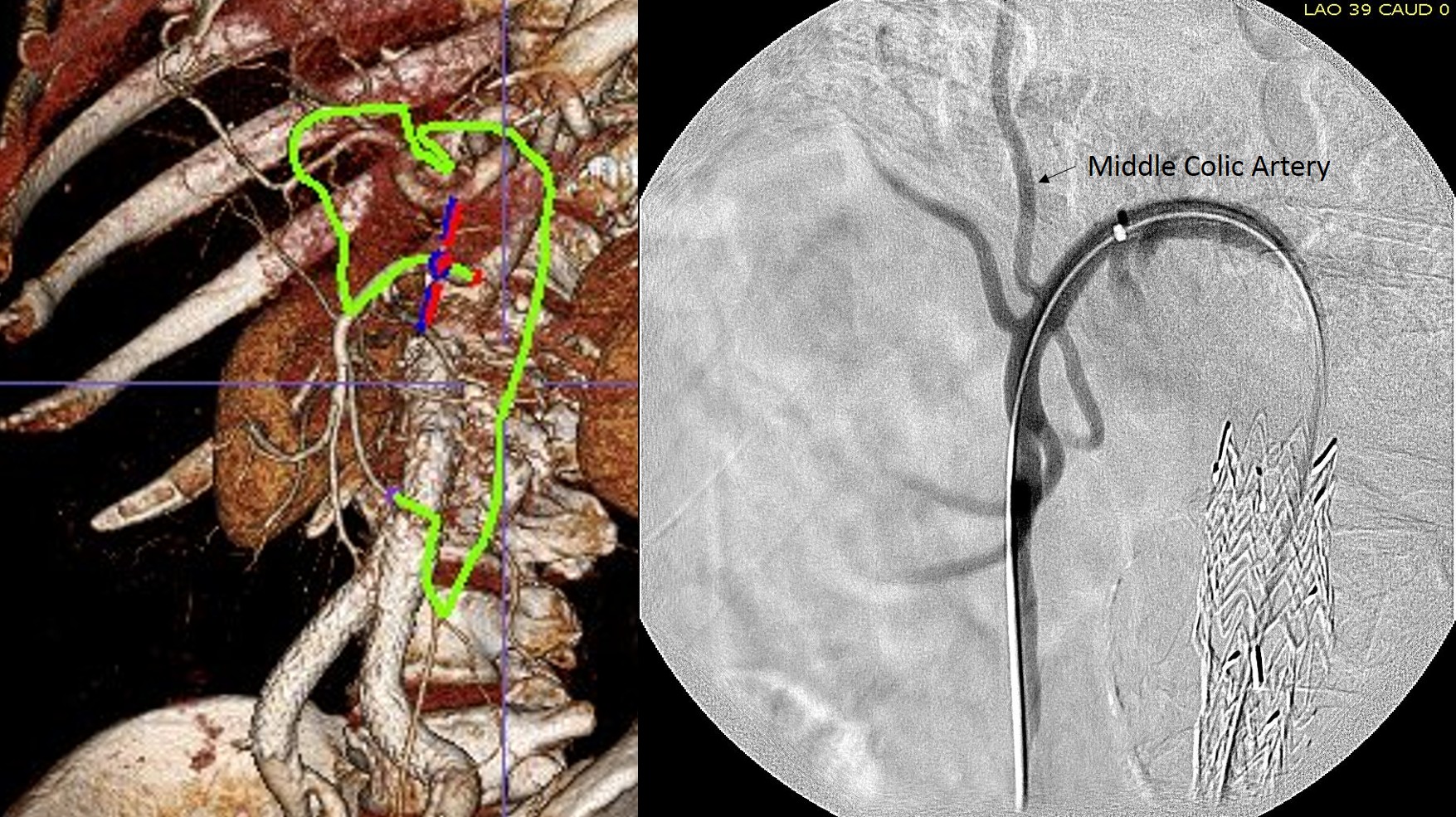
The centerline from the SMA into the middle colic artery shows a meandering but patent path via the Arc of Riolan to the left colic artery to the inferior mesenteric artery. In my experience this is straightforward to access selectively from the femoral approach, but it illustrates for the trainees the concept of building up access which I refer to as building the intervention machine.

The first step in the access involves getting stable footing in the SMA. Selective access can be performed with a shaped catheter, and once accessed, a Rosen wire is used to track in a curved long sheath. Parking this sheath in the proximal SMA forms the foundation of this machine. The next step is access into the middle colic artery.

Picture3

The CTA is particularly helpful in identifying the middle colic on the 3DVR projection. Selection of this is straightforward with a an angle catheter which I place a Tuohy Borst connector. This is the second stage of the machine, because further access with 0.35guage wires and catheters could result in spasm. This second sheath access (the Tuohy turns the catheter into a sheath) of the middle colic allows for selective 0.18 gauge catheters and wires to make the final step to the IMA and the AAA.

Picture4
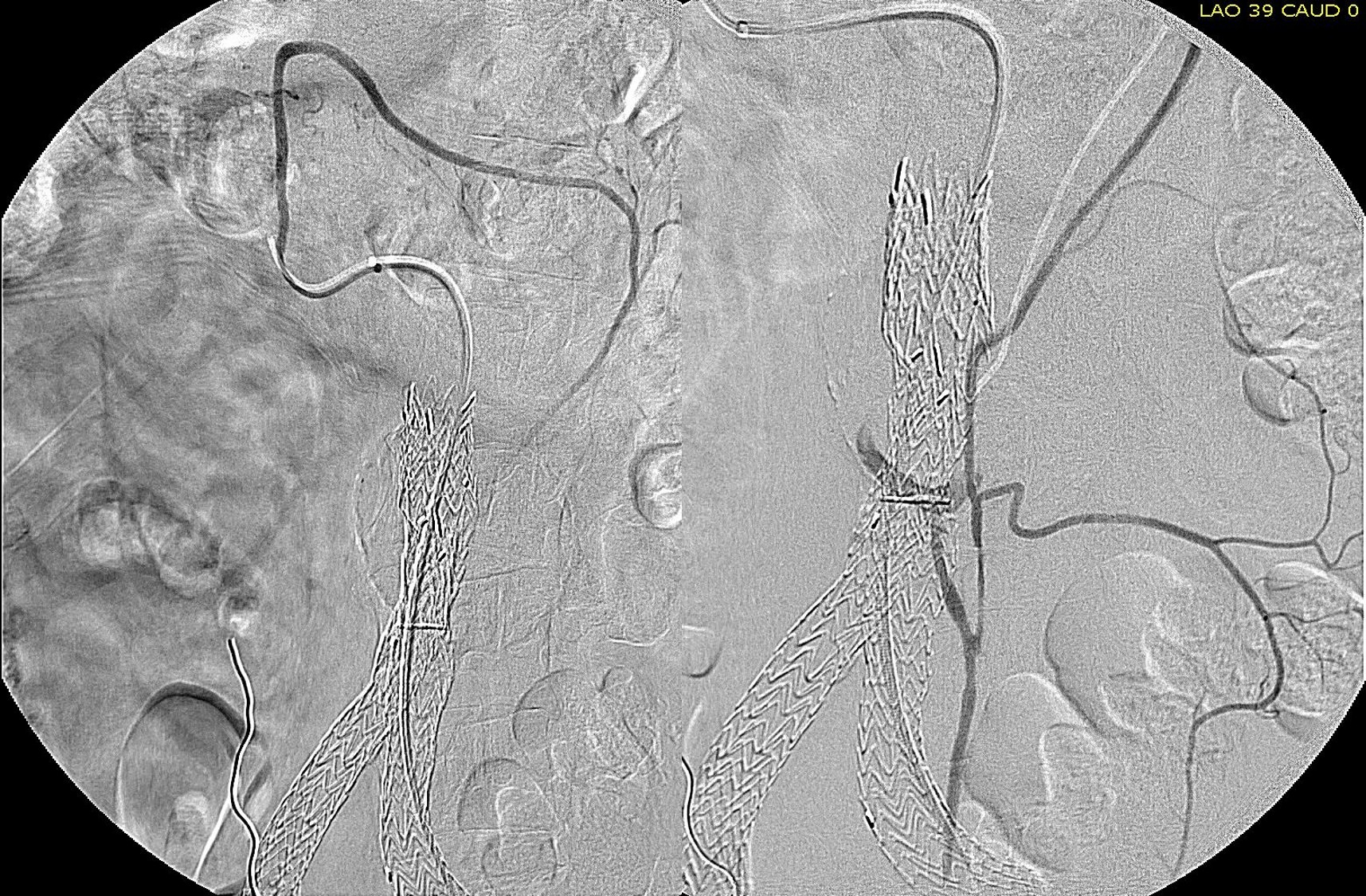
Selective access of middle colic artery (left) and later phase showing IMA and endoleak (right)
Picture5
6F Ansel Sheath in SMA, Angled Glide Catheter into Arc of Riolan, 0.18 Glidewire and catheter in IMA
Picture6
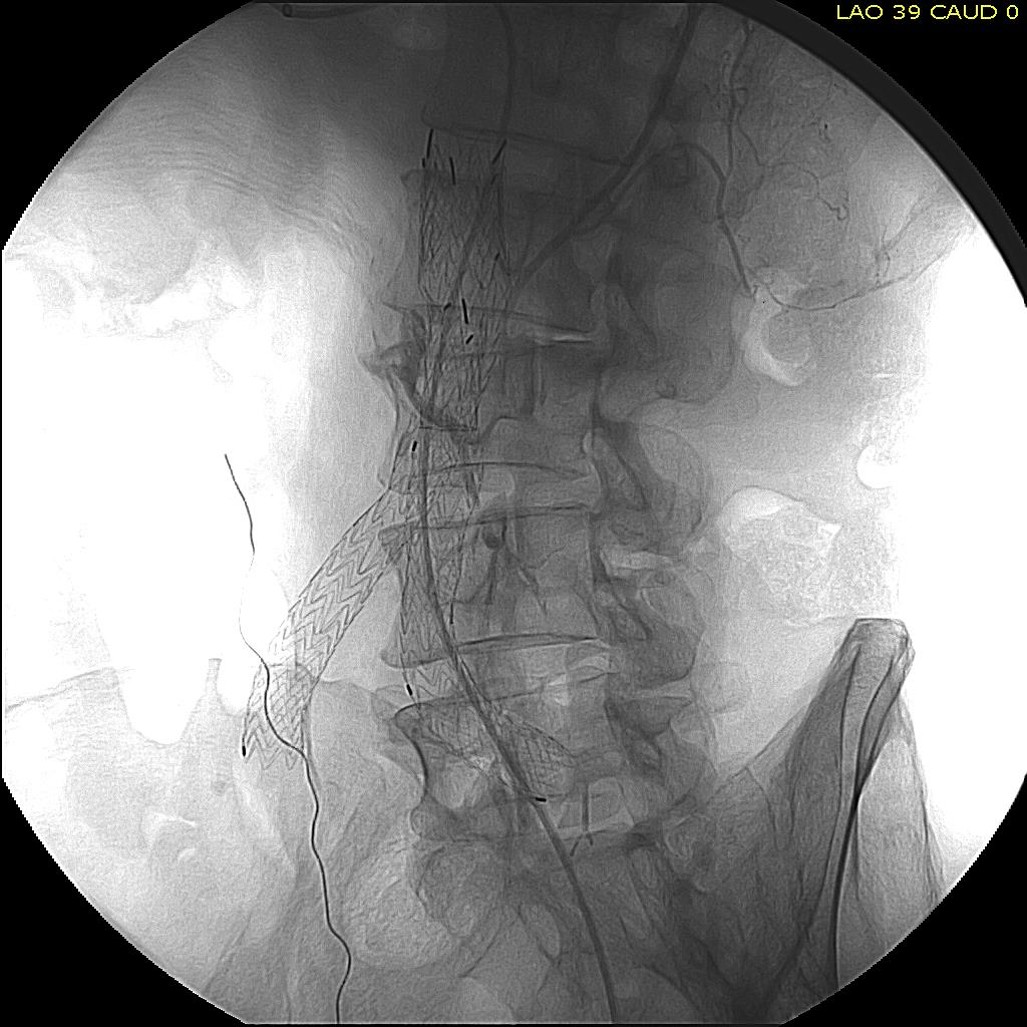
NBCA glue used to seal endoleak and IMA

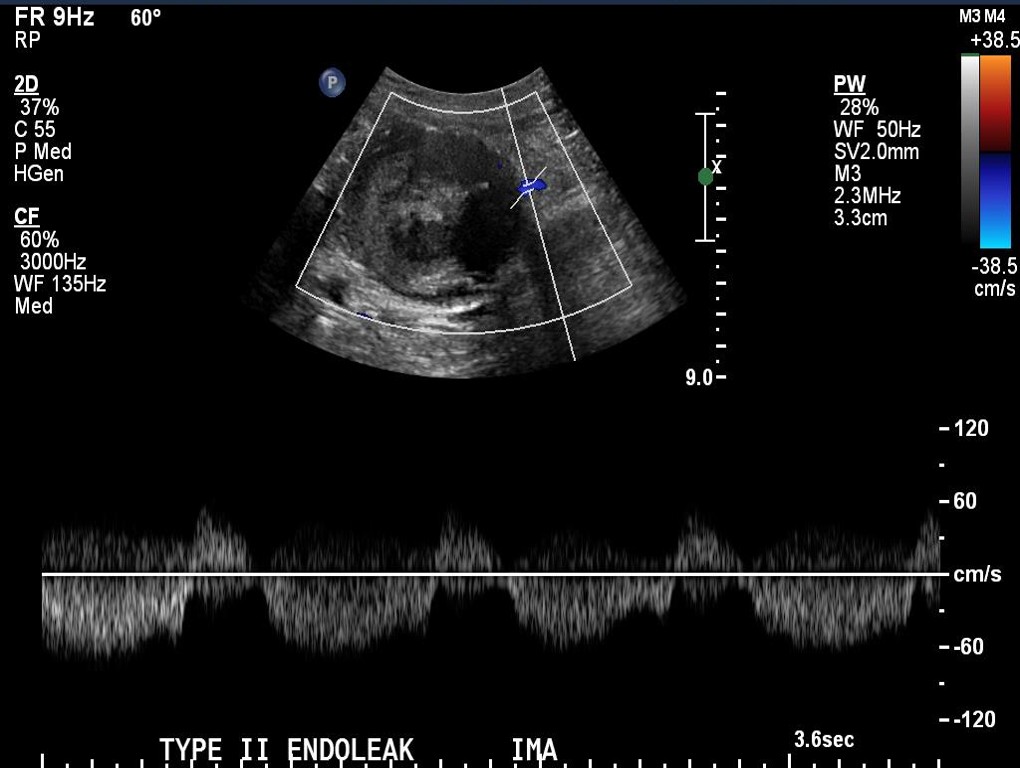
The embolization with NBCA sealed the IMA and the cavity in the AAA sac. This was checked with intraoperative duplex, done with a transabdominal aortic probe.

Picture7
Before embolization

Picture8

Transabdominal aortic duplex is easier on sleeping patient and potentially gives more information than arteriography alone.  The patient in followup had no endoleak and demonstrated sac shrinkage.

The access machine concept is important for planning interventions. Every major branch or turn needs to be crossed by your ultimate access sheath, if you want to avoid having to arduously reaccess those points, and building up a telescoping layer of sheaths is very handy. Every interventional case is done at some distance away from the access point on the skin, and so some though has to be given to how you will build that machine.

With this example, I have shown that you can readily access the AAA sac from the SMA. An earlier article showed iliofemoral access via the hypogastric artery (link). I will give in an upcoming post how this can be done laparoscopically in under 20 minutes.

Categories
Carotid techniques

Hybrid endovascular repair of proximal left common carotid artery aneurysm

image

Patient is a younger man who was referred for evaluation of a left common carotid artery aneurysm that complicated Takayasu’s arteritis. He was on maintenance steroids and was asymptomatic, but over a year of surveillance, his aneurysm grew from 2.6 to 2.8cm with encroachment of the aneurysmal segment onto the origin of the LCCA which had a bovine anatomy. Treatment options included continued observation, open repair -direct or extraanatomic, and hybrid endovascular repair.

image

The patient did not want to undergo sternotomy for definitive repair if less invasive options were available. Considering a subclavian to carotid bypass, the occlusion of the aneurysmal stump would be technically difficult and hazardous for future stroke. Therefore a hybrid repair with exposure of the carotid bifurcation and clamp of the internal carotid artery for cerebral protection was chosen.

image

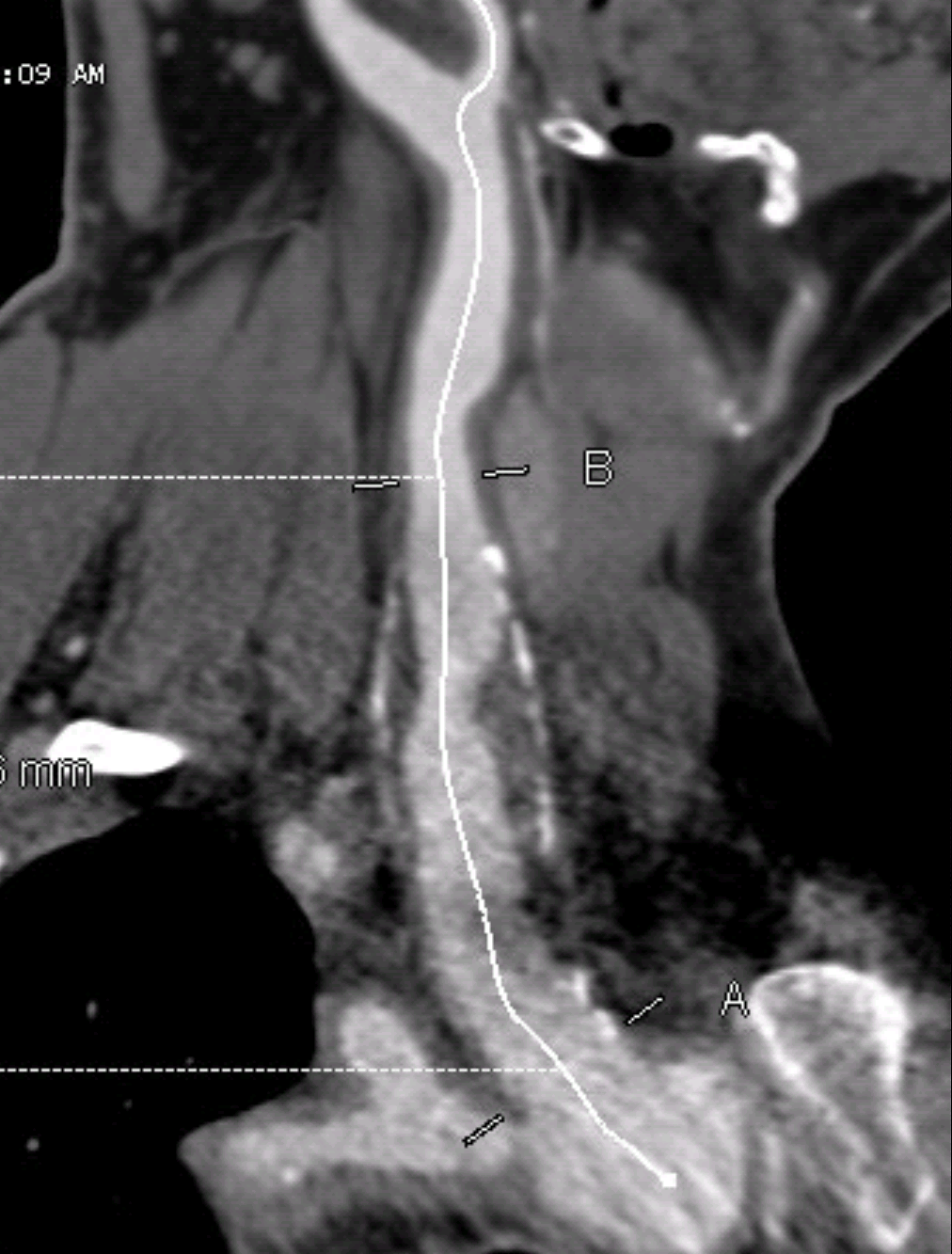
In the operating room, the carotid bifurcation was exposed via an oblique skin line incision with the C-arm oriented on the patient’s right. A table was draped off the patient’s left arm which had been prepped for brachial access for aortography. Access was taken from the distal common carotid artery with orientation of the Rosen wire down the descending thoracic aorta -this was to accomodate the nose cone of the device, a Cook 24mm AUI converter with a 12mm iliac extension. This choice of stent grafts accorded with the type of graft I would have chosen for the open repair (Dacron based), and had the appropriate size to exclude the aneurysm from the short proximal neck to the distal segment. The arteries were surrounded by inflammatory tissues and this made dissection challenging but not onerous as a redo dissection.

image

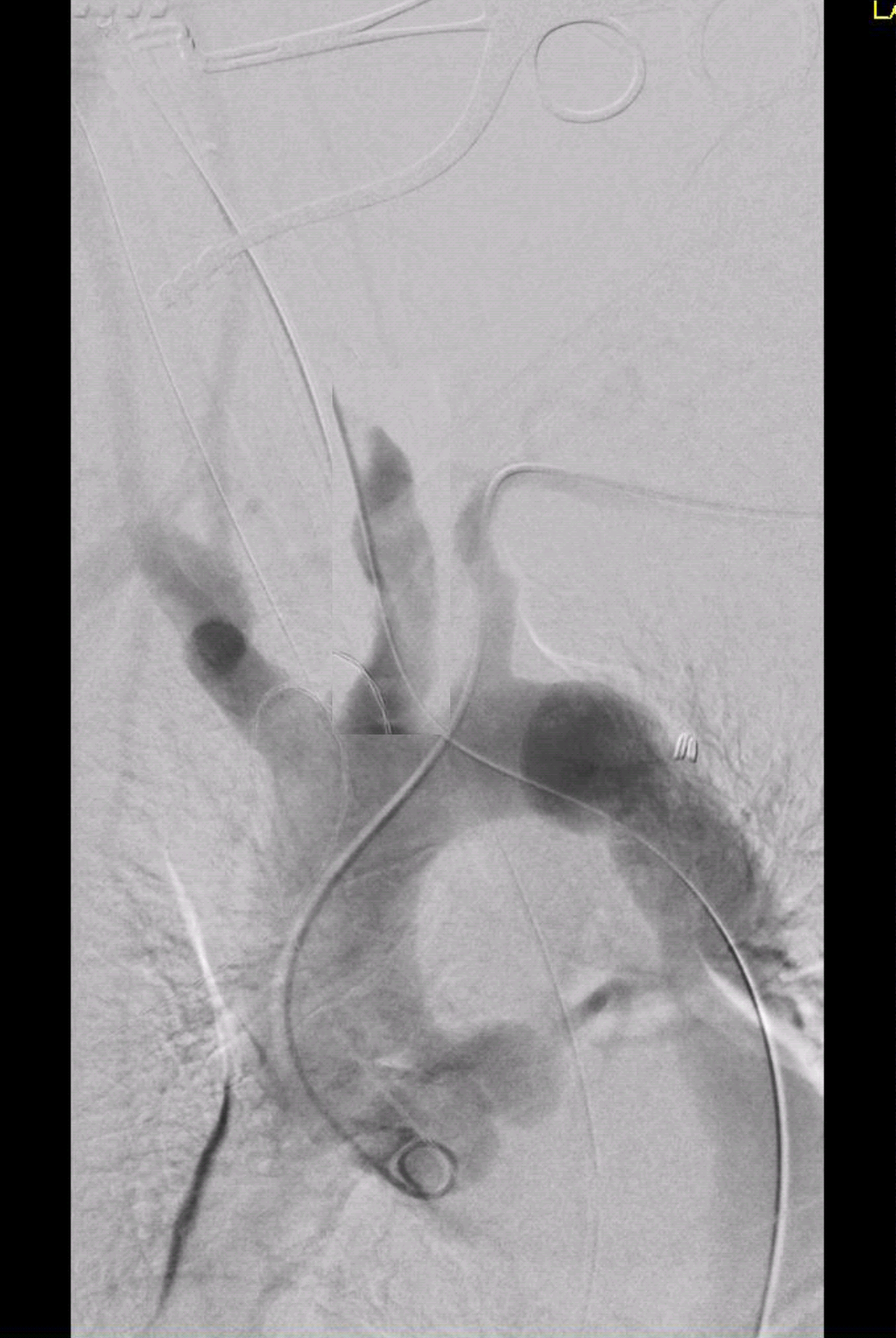
The predeployment arteriogram identified fluoroscopic clues to deployment.

image

In this patient’s case, the tip of the ET tube provided an excellent reference. (see above composite arteriogram).

image

Deployment was satisfactory. The arteriotomy, a transverse one I had made to avoid a tear in the thickened, chronically diseased artery, was repaired with running monofilament suture after flushing. The patient did have some oozing because of being on Plavix, but a drain was unnecessary. He awoke neurologically intact and was dimissed on POD#2.