Categories
AAA Commentary EVAR training

AAA Dynamism


September 11, 2008

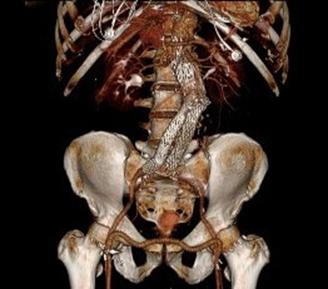
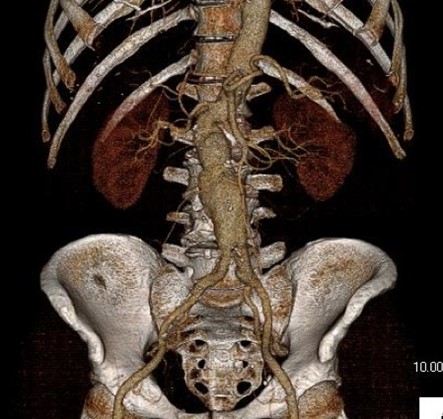
This patient presented with abdominal pain and found to have a 9.5cm AAA. CT showed a previous stent graft that had slipped its moorings from a very short neck, and had actually flipped down on itself.

The patient was a very sick man with an AICD, end stage CHF, and severe COPD on home O2, and had been turned down for a heart transplant. He relayed that surgeon who had performed the EVAR 6 years before had informed him to follow up with his primary care physician.

This patient was repaired with an AUI-Fem-Fem with plug occlusion of his left iliac. The patient recovered and was POD #6, to his home.


November 13, 2014

This was not the first patient I had like this. Pictured below is another patient with a similar scenario from my personal photo bank. It is important to understand that aneurysms are dynamic, particularly if tortuous. Many of the early generation grafts were placed with great enthusiasm in all sorts of anatomy and they come back to us. Here at the clinic, Dr. Eric Turney and others reported that from 1999 to 2012, 100 patient required EVAR explant. Overall mortality was 17%, with an elective case mortality of 9.9%, non-elective mortality of 37%, and 56% mortality for ruptures (reference). Excluding the 13% of cases that were infected, progression of aneurysm disease was identified as the cause of late (>5yr) failure. It is a major source of open aortic experience for our trainees.

Illustrated below is the mechanism for loss of primary seal when there is a great deal of anterior bowing. Technically, anchoring mechanisms in modern grafts have worked to prevent or delay this effect, but it is something to consider in tortuous anatomy.

Reference: J Vasc Surg. 2014 Apr;59(4):886-93

Categories
PAD techniques training

Popliteal Endarterectomy and Short Bypass in Lieu of Multisegment Vein Bypass

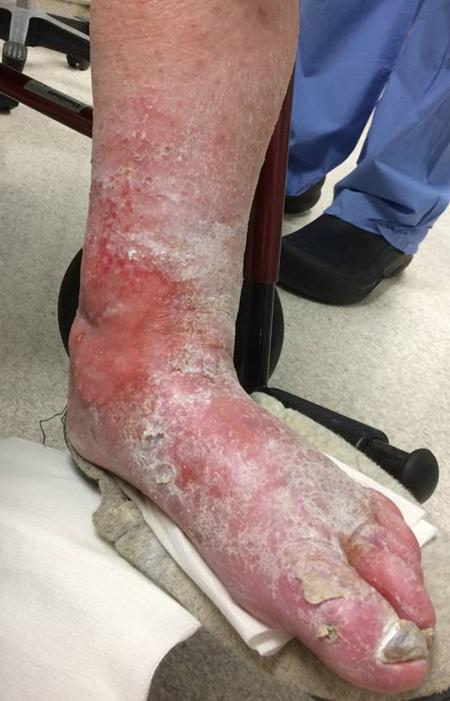
The patient is a very pleasant elderly lady who had a prior EVAR complicated by graft limb thrombosis treated with thrombectomy. She recovered from that but subsequently developed ulceration of her left ankle. She had been sleeping in a chair because it hurt her to sleep flat –her leg and foot would burn with pain. A wound care center had tried an Unna’s boot, but it caused her worse pain, and the ulcer increased in size. At admission, she had an exquisitely tender, edematous leg and ankle with a large ulcer weeping edema fluid. There were no palpable pedal level pulses.

I admitted her for workup and treatment of a mixed etiology arterial and venous ulcer.

These are patients for whom rest pain is relieved by avoiding recumbency, but with prolonged sitting, as in this lady, edema accumulates and starts to leak, creating an ulcer of the venous type, in the medial ankle (gaiter) region. These don’t resolve without addressing the underlying cause which is the arterial insufficiency. Fixing the arterial insufficiency then allows for leg elevation and compression. For the trainees, venous ulcers almost uniformly heal with Unna’s boot therapy. Elevation should relieve discomfort in venous ulcers. Neither of these occurred and raises the suspicion of arterial insufficiency.

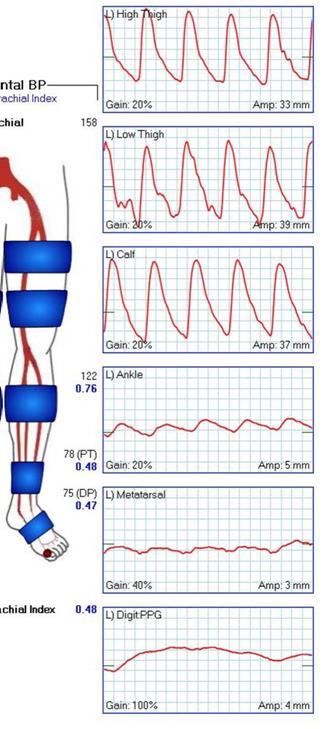
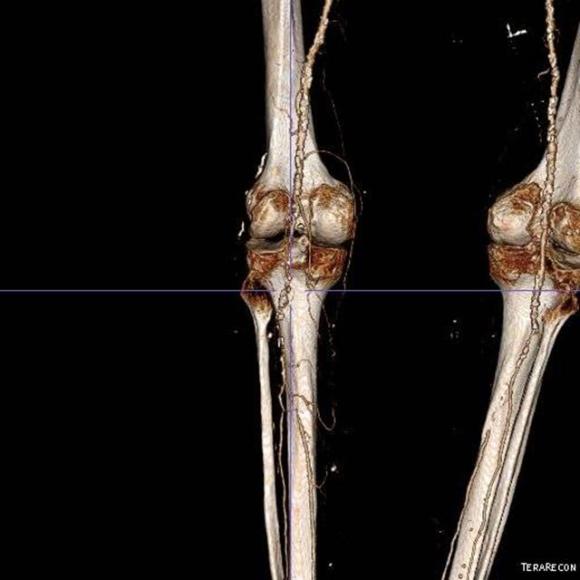
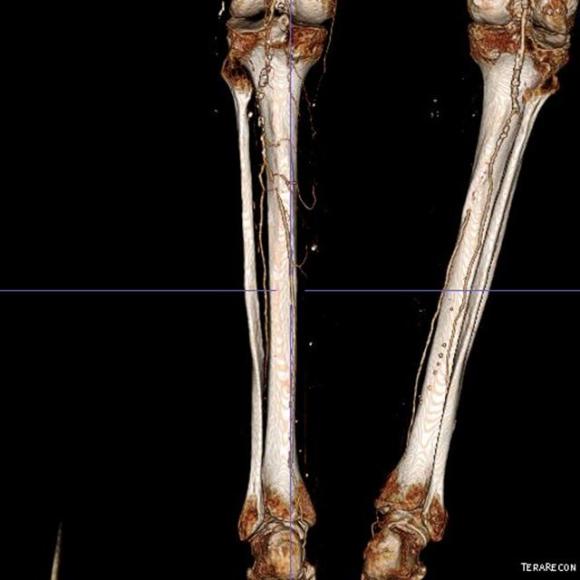
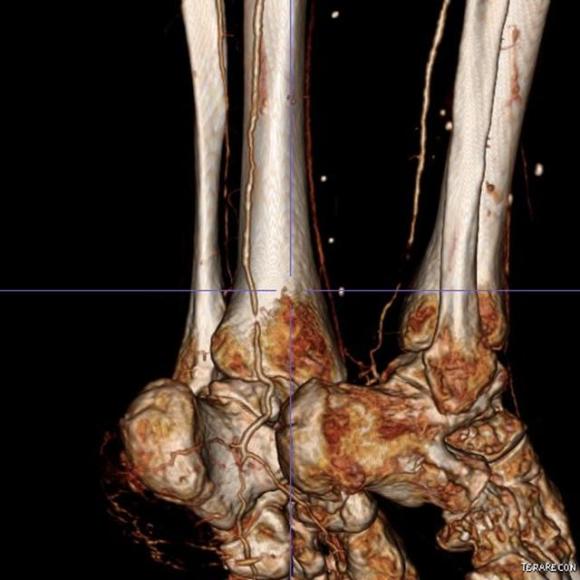
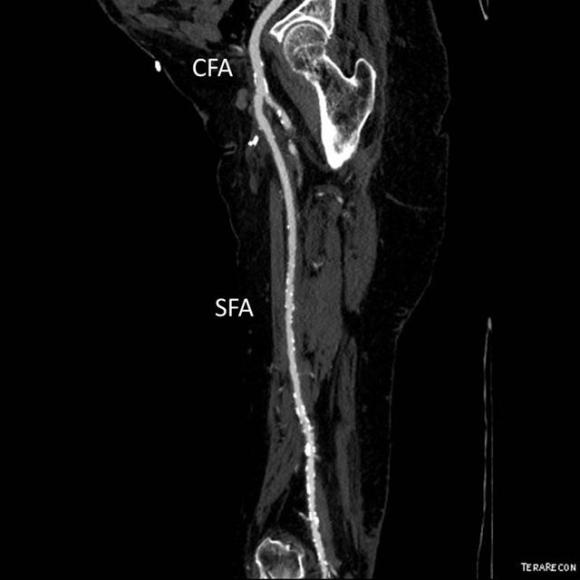
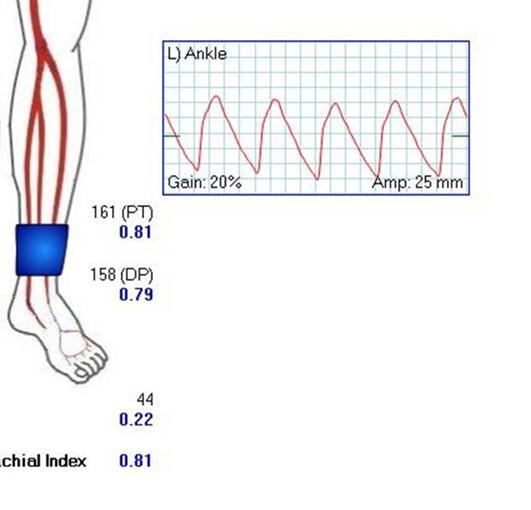
At admission, her PVR’s showed severe popliteal/tibial level occlusive disease. CTA was performed and it showed the common femoral and superficial femoral arteries to be patent but plaque occluded the popliteal artery and origins of the tibial vessels.

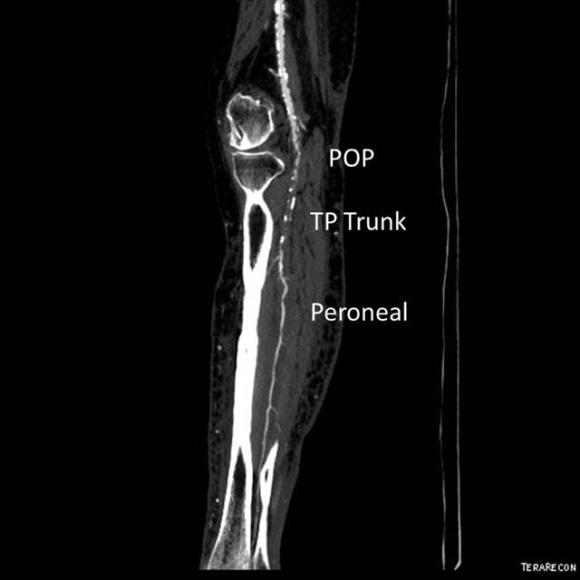
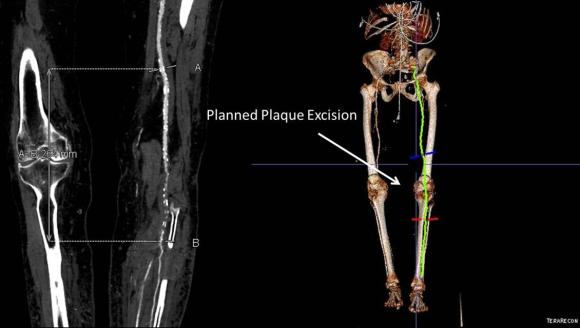
The only patent runoff was via her peroneal artery. Centerline evaluation of the CT scan was performed, with manual centerline created through the occluded segment of popliteal artery. I find this useful for planning endarterectomy and bypasses, and with attention to detail, images that are the equivalent to tibial angiograms come to life. This is a centerline through the femoropopliteal to peroneal system.

Vein mapping revealed a paucity of good vein –only a short segment in the proximal thigh on the left and for a short segment on the right. Stress testing revealed that she was good to moderate risk. Isolated popliteal occlusive disease with poor tibial runoff, while feasible for intervention, is not likely to be durable. Multisegment vein bypass on the other hand, using at least three segments, meant a long operation for this frail old lady and a prolonged recovery. I felt that popliteal endarterectomy and distal SFA remote endarterectomy offered a good option for revascularization, with either a patch repair or a short bypass to the peroneal artery. The backup plan was composite vein, but it was unlikely to be needed because the plaque was not the calcium pipe type plaque that does not endarterectomize well.

The patient was positioned on the table supine. The short segment of proximal greater saphenous vein was harvested –it was of suitable caliber, but below its first major tributary point, the veins was thick walled and small. The total length was about 10 cm. The below knee popliteal space was opened and the popliteal through tibioperoneal trunk bifurcation was exposed. Antegrade puncture of the common femoral artery allowed for arteriography and it showed the occlusion at the knee with reconstitution of the peroneal artery.

The popliteal artery was opened and endarterectomy of the occlusive plaque was performed. Retrograde remote endarterectomy (EndoRE) with Vollmer rings was performed to the mid superficial femoral artery where on the CTA the calcified plaque ended. The technical point about retrograde EndoRE is that the ring catches as the plaque gets larger more proximally, and has to be swapped out for a larger ring. Ultimately a 7mm Moll Ring Cutter was used to cut the plaque (picture below, arrow to more proximal SFA plaque).

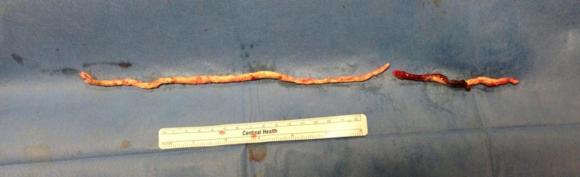
The plaque, because it is larger the more proximal you go, came out with some difficulty via the below knee popliteal artery. This is not a great concern if it won’t come out –you merely have to cut down on the SFA in the thigh to fish out the plaque. In this case, it was not necessary, and it came out in several pieces, facilitated by the cutter which was used to graft the plaque in segments to retrieve it. Unfortunately, I don’t have a picture from this case of the plaque, but I have inserted a popliteal endarterectomy plaque image below from an prior case of popliteal endarterectomy.

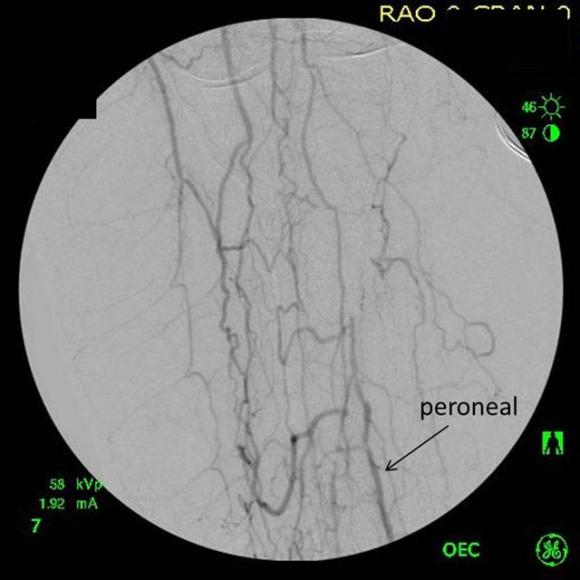
This restored pulsatile flow to the below knee popliteal artery. Opening the artery down to the tibioperoneal artery revealed the artery to occluded and I took the endarterectomy to the peroneal artery origin and everted a short segment of posterior tibial plaque. The peroneal artery was large and would accept flow readily, so I chose to bypass to it using the short segment of saphenous vein that I had harvested for a possible patch or short bypass. The vein was reversed and anastomosed in the usual manner. Arteriograms are below.

The flows were multiphasic. I attempted to cross the posterior tibial occlusion but ended up with contrast extravasation, therefore stopped with this repair. The patient’s wounds were closed and ulcer cleansed and compressed. In the week postop, she healed her ulcer and her two short incisions, and felt good enough to go home with homecare. Her noninvasive studies and duplex confirmed the patency of her revascularization, and there was a multiphasic signal in her posterior tibial artery as well as peroneal.

In the handful of patients I have managed this way, either with popliteal endarterectomy and patch or short (micro) bypass, they have stayed patent past a year, but do require surveillance. Because of her frailty and unsteadiness of gait, I chose not to anticoagulate with Coumadin which is my usual practice, but have her on Plavix and aspirin.

Categories
AAA techniques

Laparoscopic Ligation of IMA Type II Endoleak

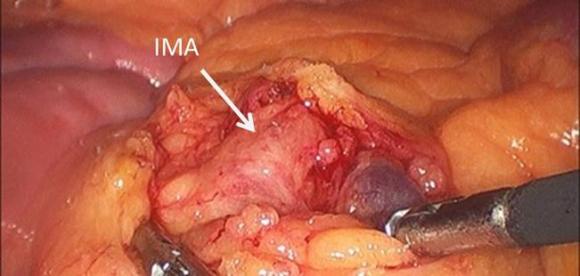
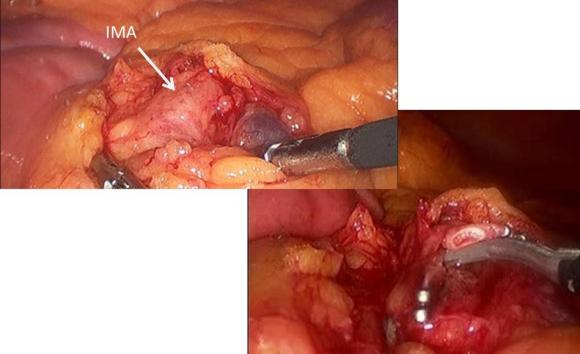
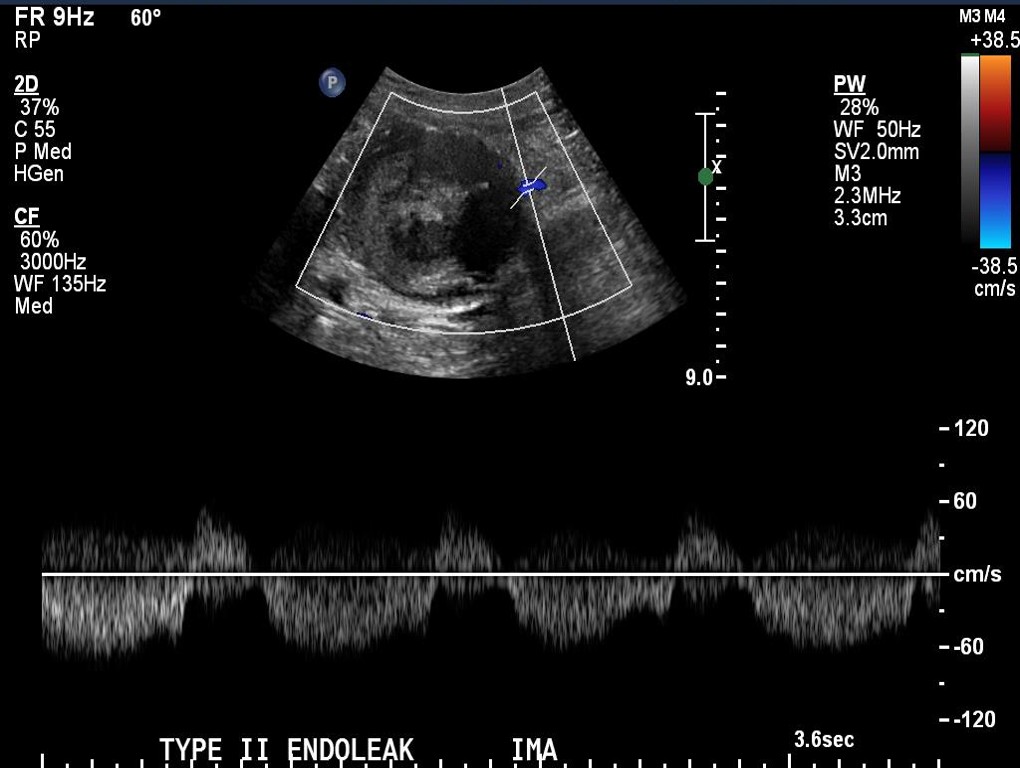
As I had discussed earlier posts, endoleaks can be managed with superselective endovascular access of the AAA sac via the hypogastric artery (Link) or the superior mesenteric artery (Link), but in fact, it may be very easily treated with direct ligation. This patient had a Type II leak causing sac growth from an IMA source and I chose to treat this laparoscopically. The patient was placed in a right lateral decubitus position to use gravity to move the small bowel away from the aorta. An umbilical and left midaxillary line port were placed after pneumoperitoneum was induced. The view above shows the IMA which is readily seen in the retroperitoneum. Ligating it with clips effectively closes the endoleak.


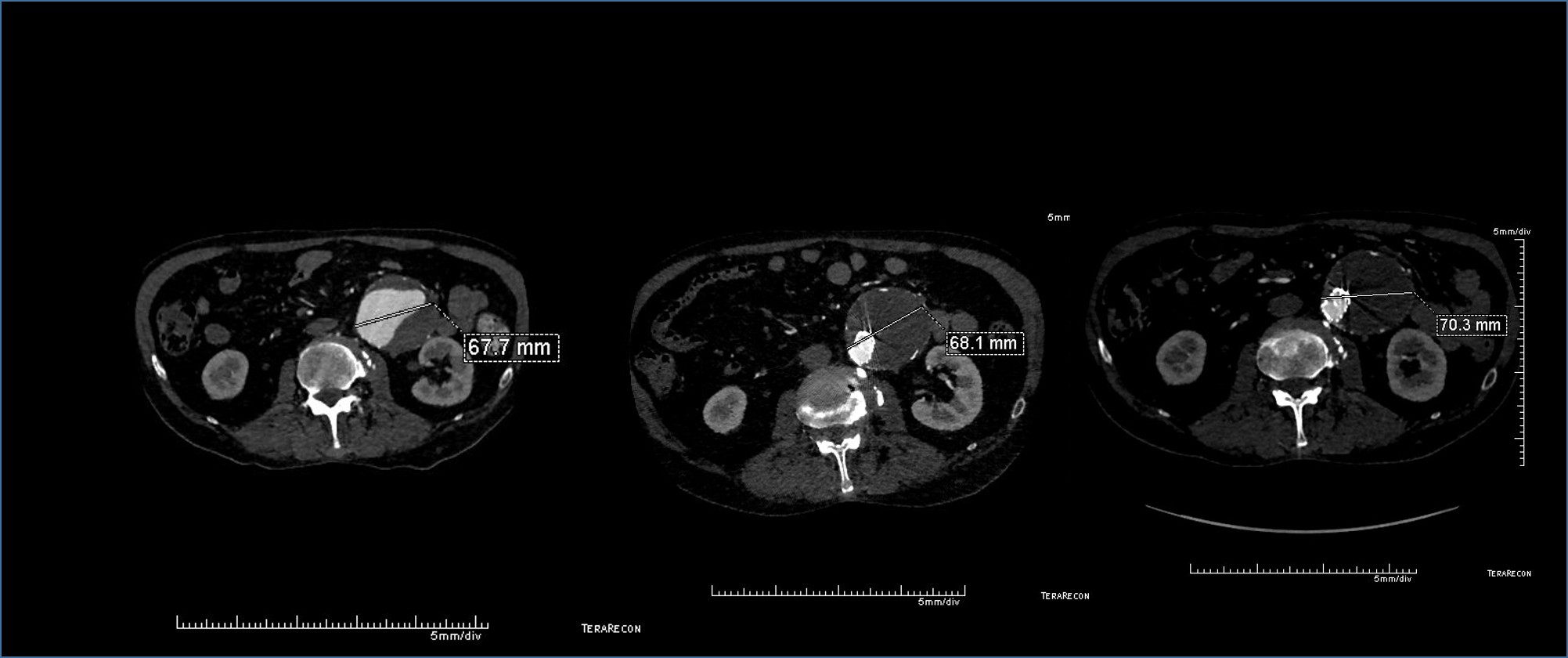
The before and after CT scans show that the endoleak resolves after ligation. This takes about 15-30 minutes of operating.

Categories
AAA CTA EVAR techniques training

Type II endoleak from IMA treated via SMA -concept of building the intervention machine

Picture1

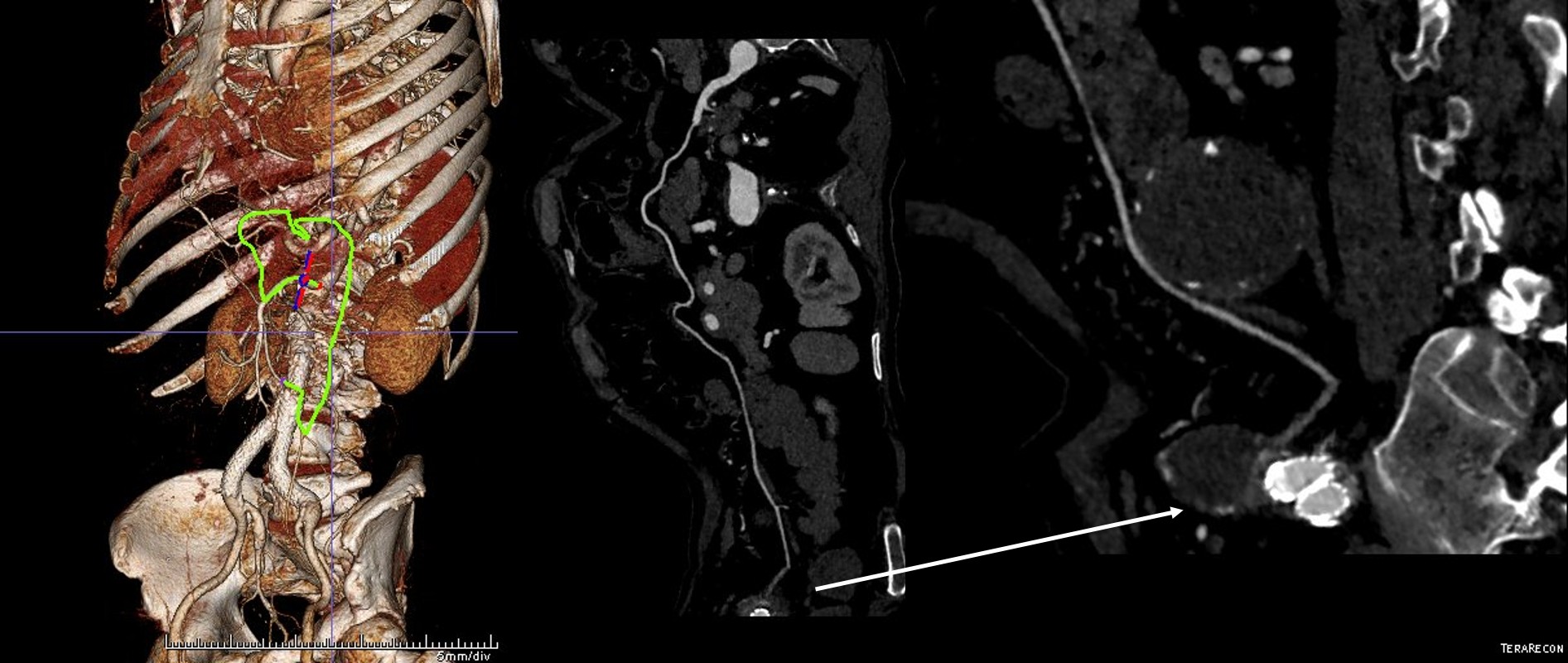
The patient had a successful EVAR or an eccentric infrarenal AAA which in followup grew due to the presence of a type II endoleak from the inferior mesenteric artery. This was seen on the CTA and duplex ultrasound. Planning for assessment and treatment involved analyzing the CTA in centerline, tracking the source of the arterial blood flow into the sac.

Picture2

The centerline from the SMA into the middle colic artery shows a meandering but patent path via the Arc of Riolan to the left colic artery to the inferior mesenteric artery. In my experience this is straightforward to access selectively from the femoral approach, but it illustrates for the trainees the concept of building up access which I refer to as building the intervention machine.

The first step in the access involves getting stable footing in the SMA. Selective access can be performed with a shaped catheter, and once accessed, a Rosen wire is used to track in a curved long sheath. Parking this sheath in the proximal SMA forms the foundation of this machine. The next step is access into the middle colic artery.

Picture3

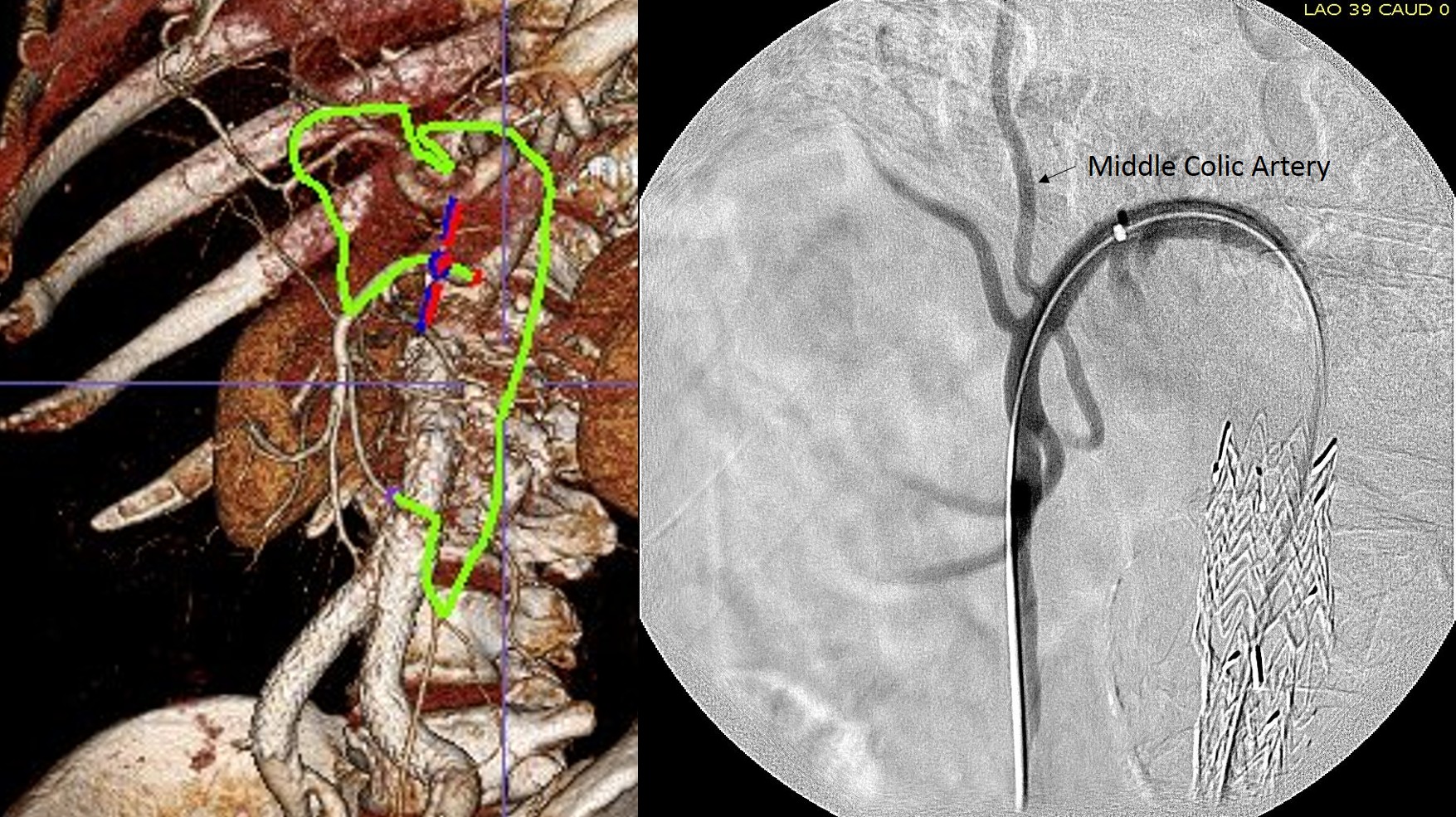
The CTA is particularly helpful in identifying the middle colic on the 3DVR projection. Selection of this is straightforward with a an angle catheter which I place a Tuohy Borst connector. This is the second stage of the machine, because further access with 0.35guage wires and catheters could result in spasm. This second sheath access (the Tuohy turns the catheter into a sheath) of the middle colic allows for selective 0.18 gauge catheters and wires to make the final step to the IMA and the AAA.

Picture4
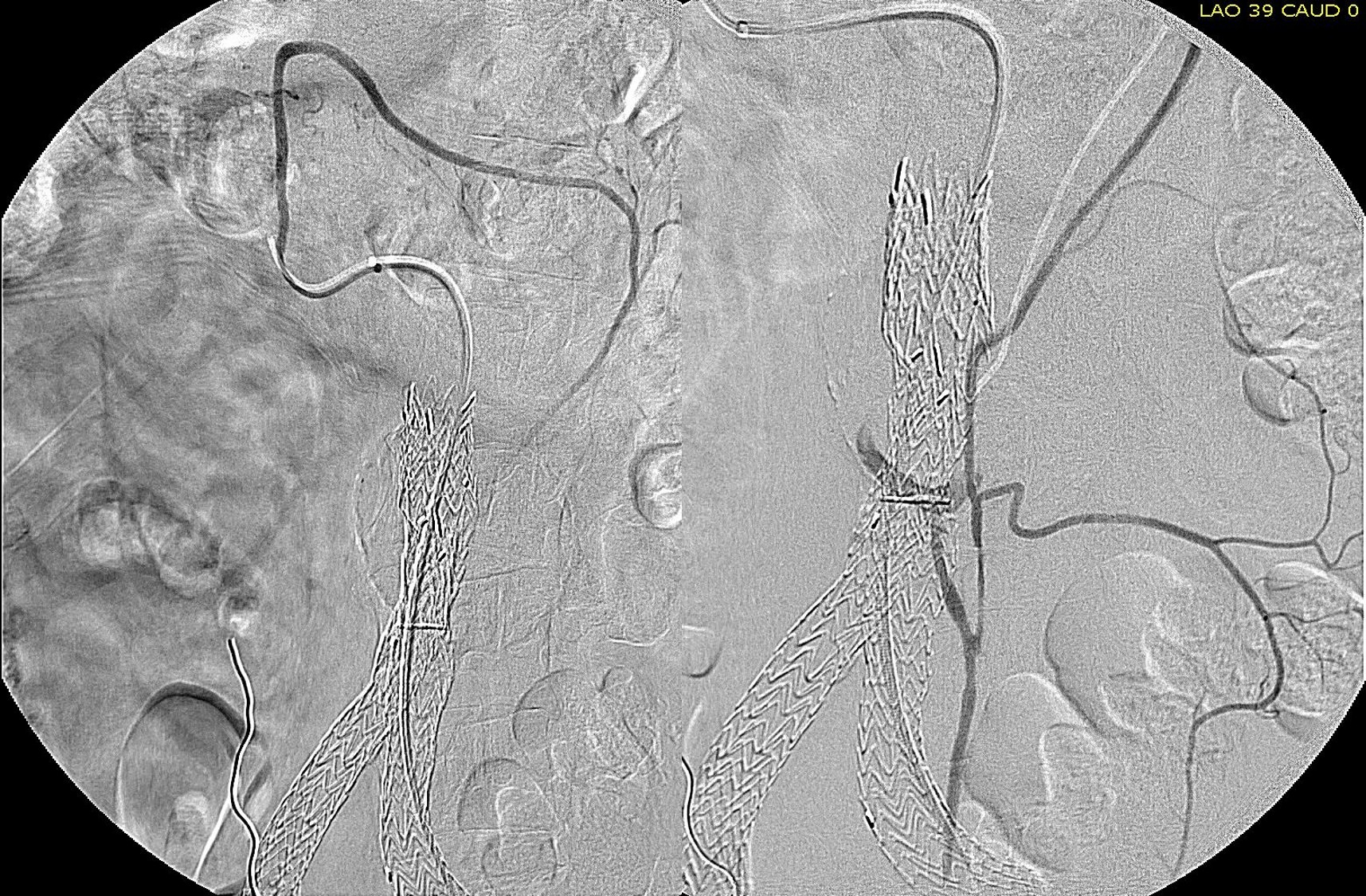
Selective access of middle colic artery (left) and later phase showing IMA and endoleak (right)
Picture5
6F Ansel Sheath in SMA, Angled Glide Catheter into Arc of Riolan, 0.18 Glidewire and catheter in IMA
Picture6
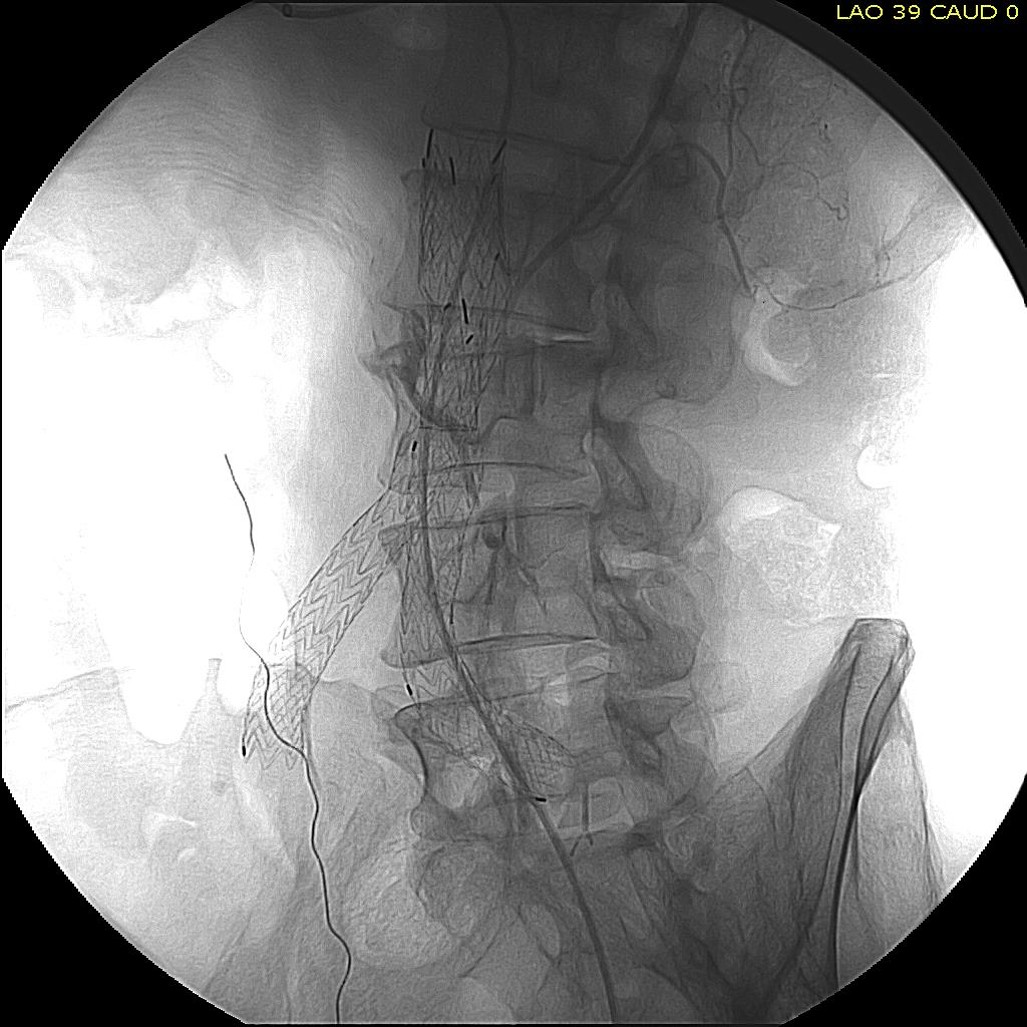
NBCA glue used to seal endoleak and IMA

The embolization with NBCA sealed the IMA and the cavity in the AAA sac. This was checked with intraoperative duplex, done with a transabdominal aortic probe.

Picture7
Before embolization

Picture8

Transabdominal aortic duplex is easier on sleeping patient and potentially gives more information than arteriography alone.  The patient in followup had no endoleak and demonstrated sac shrinkage.

The access machine concept is important for planning interventions. Every major branch or turn needs to be crossed by your ultimate access sheath, if you want to avoid having to arduously reaccess those points, and building up a telescoping layer of sheaths is very handy. Every interventional case is done at some distance away from the access point on the skin, and so some though has to be given to how you will build that machine.

With this example, I have shown that you can readily access the AAA sac from the SMA. An earlier article showed iliofemoral access via the hypogastric artery (link). I will give in an upcoming post how this can be done laparoscopically in under 20 minutes.

Categories
Carotid techniques

Hybrid endovascular repair of proximal left common carotid artery aneurysm

image

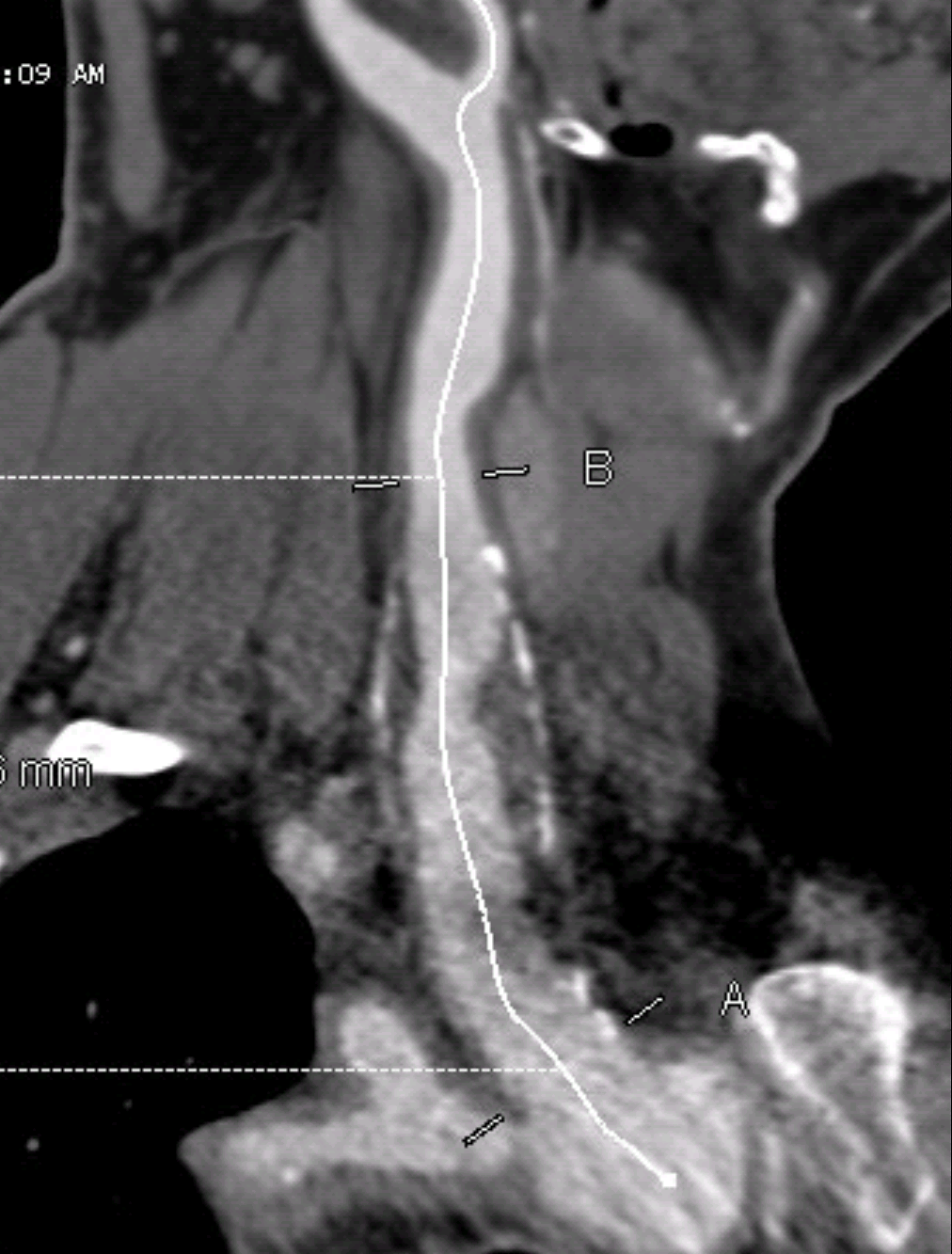
Patient is a younger man who was referred for evaluation of a left common carotid artery aneurysm that complicated Takayasu’s arteritis. He was on maintenance steroids and was asymptomatic, but over a year of surveillance, his aneurysm grew from 2.6 to 2.8cm with encroachment of the aneurysmal segment onto the origin of the LCCA which had a bovine anatomy. Treatment options included continued observation, open repair -direct or extraanatomic, and hybrid endovascular repair.

image

The patient did not want to undergo sternotomy for definitive repair if less invasive options were available. Considering a subclavian to carotid bypass, the occlusion of the aneurysmal stump would be technically difficult and hazardous for future stroke. Therefore a hybrid repair with exposure of the carotid bifurcation and clamp of the internal carotid artery for cerebral protection was chosen.

image

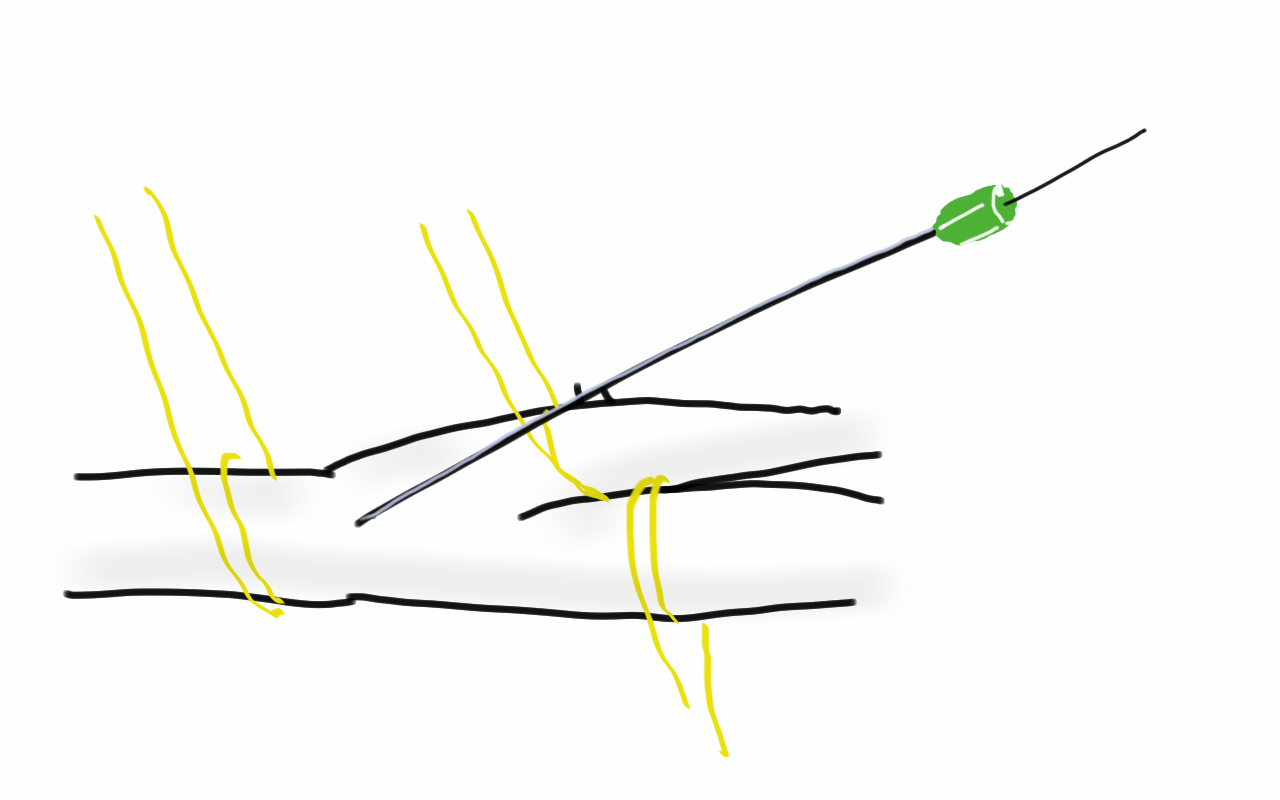
In the operating room, the carotid bifurcation was exposed via an oblique skin line incision with the C-arm oriented on the patient’s right. A table was draped off the patient’s left arm which had been prepped for brachial access for aortography. Access was taken from the distal common carotid artery with orientation of the Rosen wire down the descending thoracic aorta -this was to accomodate the nose cone of the device, a Cook 24mm AUI converter with a 12mm iliac extension. This choice of stent grafts accorded with the type of graft I would have chosen for the open repair (Dacron based), and had the appropriate size to exclude the aneurysm from the short proximal neck to the distal segment. The arteries were surrounded by inflammatory tissues and this made dissection challenging but not onerous as a redo dissection.

image

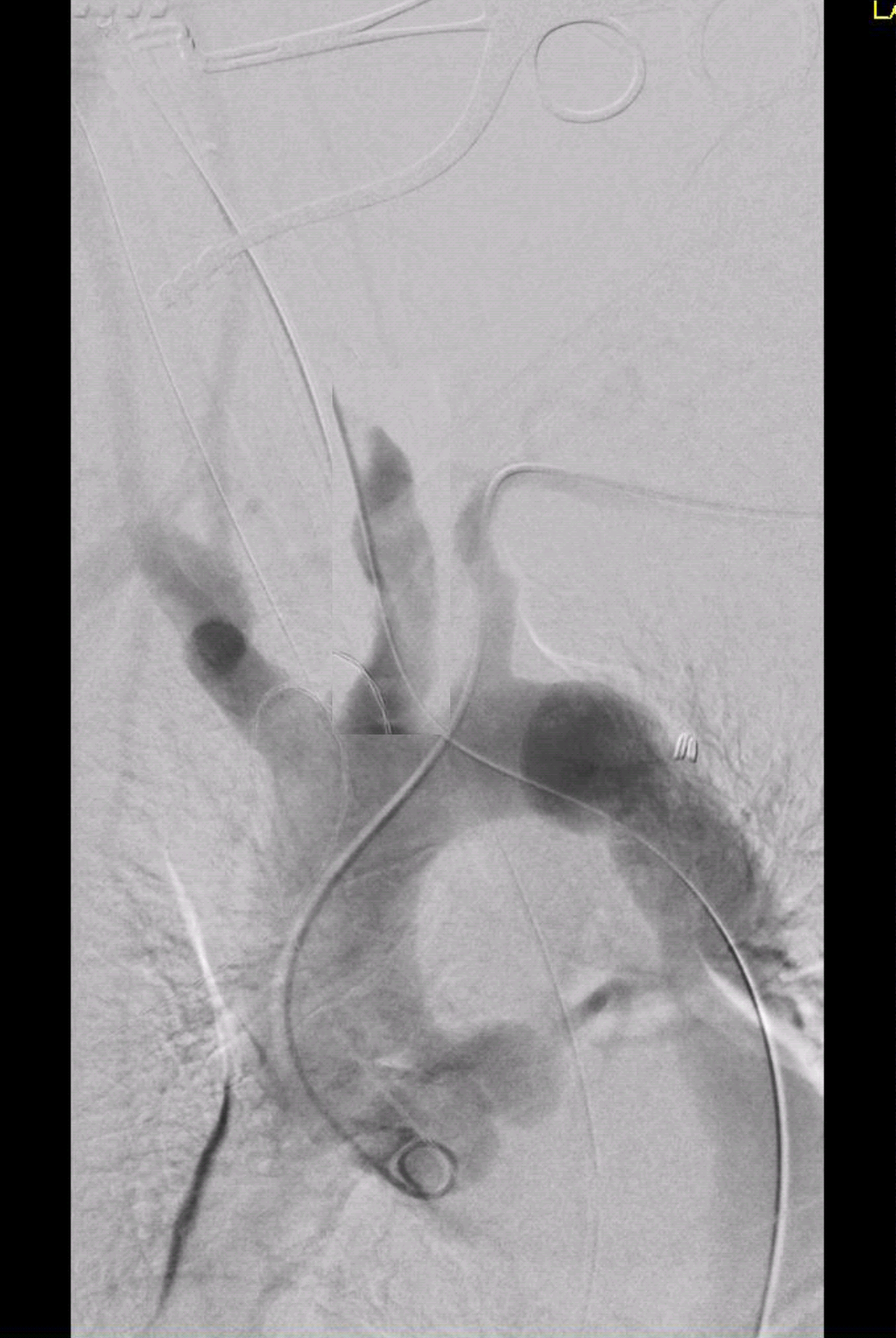
The predeployment arteriogram identified fluoroscopic clues to deployment.

image

In this patient’s case, the tip of the ET tube provided an excellent reference. (see above composite arteriogram).

image

Deployment was satisfactory. The arteriotomy, a transverse one I had made to avoid a tear in the thickened, chronically diseased artery, was repaired with running monofilament suture after flushing. The patient did have some oozing because of being on Plavix, but a drain was unnecessary. He awoke neurologically intact and was dimissed on POD#2.

Categories
Carotid techniques

The carotid baroreptor -can it be reconstituted after carotid endarterectomy?

IMG_1094.JPG

While I was a site investigator for the CVRx Rheos Trial, a device that induced hypotension and bradycardia by stimulating the carotid baroreceptor with electrical energy to control resistant hypertension, I noticed that Hering’s nerve can be readily identified by accompanying arteries which show up as paired red lines. The baroreceptor complex is a pressure transducer and the maximum dP/dt can be transduced in areas of maximum curvature change. If you recall those tension maps of aneurysm rupture points, they occur in areas of maximum curvature and inflection points -wouldn’t a baroreceptor be constructed to sense pressure and change in pressure here? Hering’s nerve comes out over these areas. It struck me that most of the patients with carotid disease are hypertensive and it may be a disease cycle that occurs with stiffening of the baroreceptor, decreased parasympathetic tone, and hypertension as the output signal with subsequent vessel injury and plaque formation and worsening stiffness -a non virtuous cycle.

The nerve probably wraps around the origin of the internal carotid artery or wherever the curvature is best suited for pressure transduction. If you visualize the bulbous origin of the ICA as the belly of the guppy, the arteriotomy is made traditionally on the side facing you which is on the side and across at least half of Hering’s nerve -on the lateral surface of the guppy. If you make instead an arteriotomy on the belly of the guppy, and preserve as much of these nerves as possible, it would be theoretically possible to reconstitute a baroreceptor, maybe the dominant one (there is a sidedness to the baroreceptor strength).

There is an intriguing consequence to cutting the nerves -for example in skeletonizing the ICA for an eversion. Eversion endarterectomy done this way is associated with greater incidence of postop hypertension than standard endarterectomy (ref 1,2). The question is if the converse -if reconstituting the baroreceptor can bring decreased need for anti hypertensive medications or even hypotension and bradycardia -is true and if there is potential for applying this as therapy for hypertension as well as stroke risk reduction.

References
1. J Vasc Surg. 2012 Aug;56(2):324-33.
2. J Vasc Surg. 2001 Nov;34(5):839-45.

Categories
AAA

Patient transferred with surgeon attached

The call came through our transfer center. At the time this patient was transferred, one of the chairmen emeriti of the clinic, called my cell phone with the story. It was still my first year at the clinic and pleasant to be talking to one of the giants of vascular surgery. The patient was suffering from upper gastrointestinal hemorrhages, and not responding to EGD. He was taken to the operating room by his local general surgeon, who soon found that he was bleeding from a primary aortoduodenal fistula. He was able to control the bleeding by putting his finger on the hole but his institution was not set up for vascular surgical care. After a brief conversation, our quarterback decided the patient needed to come rapidly by helicopter with his surgeon maintaining hemostasis –like the proverbial Dutch boy with his finger in the dike. The patient was prepared for transport by placing drapes over his open abdomen with the surgeon maintaining finger pressure on the duodenal fistula, and they arrived like that into the operating room for emergency surgery. The operation was made difficult by inflammation, but I was able to get a clamp on the aorta infrarenally and dismiss the real hero of the day, the patient’s first surgeon who got a helicopter ride home. The aorta was focally necrotic and this was sent for culture which came back MRSA, but otherwise it was normal. I repaired with a bovine pericardial patch and after repair of the duodenum by our general surgeon, omentum was laid down and secured over the aorta and beneath the bowel.

The patient had a history of sarcoidosis and aortic valvular endocarditis, but it was relatively remote. There was no significant atherosclerotic plaque nor aneurysm to account for the development of the aortoduodenal fistula. The patient survived and is doing better now over a year after his rescue by his flying surgeon. The other hero, of course, is the pedicled omental flap. The omentum is a mysterious organ to me and without adequate study or explanation from a functional, developmental, or evolutionary point of view.

Categories
techniques

Arteriovenous fistula after ankle infection –workup and treatment

The patient presented with complaint of right leg swelling and pain that became unbearable as the day progressed. He had had a prior bout of septic ankle joint which occurred after treatment of infected hardware in the other ankle. He did have an aspiration of his joint but no major surgery. His local specialist performed arteriography, found an arteriovenous fistula, and referred him after concluding that an endovascular repair was not possible.

On examination, he had dilated leg veins and a boggy, tender leg without chronic venous stasis changes. There was an audible bruit over the ankle where the fistula was identified. It would have been near the puncture site of an aspiration needle. CT scan showed the arteriovenous fistula along with chronic changes on the arterial and venous sides due to the increased flows.

This included relative dilatation of the anterior tibial artery and the outflow veins. One of the animal models of iliac aneurysm involves creating an arteriovenous fistula of the femoral artery at the groin of a rat –this was an arduous operation done under a microscope which was the final exam of a microsurgery course during my fellowship, but I digress. Arteries respond to perturbations of flow by dilatation, elongation (engendering tortuosity), and plaque formation. Two areas of naturally occurring elongation are the internal carotid artery and the external iliac artery –in both cases, it is sometimes necessary to straighten and cut out excess artery. A high number of patients with tortuous internal carotid arteries –those with kinks and loops, have aortic aneursms. In the case of the external iliac artery, this has been used in the past as conduit for infections of the common femoral artery.

He had the clinical triad for an arteriovenous fistula that persists and grows –trauma, inflammation, and good venous outflow. The pain was due to venous hypertension but I suspect some regional compartmental steal and pressure may be at play as well, but that’s hard to prove. It makes me think there may be a way to create AV fistulae for dialysis access using these principles.

The 3DVR imaging was very helpful in planning the operation, particularly the incision and exposure.


Is there an endovascular option? Probably, but why? What are the costs of coils and glues when a few clips and sutures will do? This patient did very well with ligation and division of the fistula. The real magic is our imaging and image processing capabilities.

Categories
SVC Venous

A Palma Procedure for SVC Syndrome

IMG_0252.JPG

The enthusiasm for stenting has driven the misplacement of many well intended stents. The problem with stents in the central veins is three fold. First, the typically large stent chosen for placement in the SVC, the Wall Stent, by design expands while shortening but maintains a uniform diameter. If deployed partially in the subclavian vein, it remains constrained at the smaller diameter and far longer than intended. The other problem is that while ballooning can be done repeatedly, once they are in, stents limit how much can be ballooned as material grows and accumulates rapidly in the stent. There are no FDA approved devices for debulking this material on the venous side (I have asked the laser folks if anyone has used -no). The third challenge is deploying or embolizing into the heart, and this often requires a sternotomy or thoracotomy to retrieve the wayward stent. Unfortunately, you can’t compress the head like you can the legs, and these patients have overloaded their remaining drainage even with 24 hr upright posture. Spandex Lucha Libre masks would not treat the cerebral edema that causes intense headaches and neurotic symptoms.

This patient began his problems with effort thrombosis and hypercoagulability, found and treated in his home institution. He underwent first rib resection and stenting, but he rapidly thrombosed his stent despite anticoagulation, and this resulted in more stents until he had stents deployed across the confluence of the left and right brachiocephalic veins. This inevitably occluded and he developed SVC syndrome. He underwent two open bypasses first with vein then with PTFE by his local surgeons but these occluded. When he came, he had the swollen face and conjunctival edema of someone suffering from SVC syndrome. He had been told that there was no more that could be done and he would likely die within the year. He decided to seek a second opinion and made the long trip to the Clinic.

The ultrasound and CT showed his stents to be closed, but even after I opened his stents basically by ballooning and putting in more stents (10mm), he still had symptoms. This required an imaginative solution. IVUS by the way is important in these procedures.

The procedure to open the subclavian to SVC stents was done via the cephalic vein which was large and patent. Duplex of his neck revealed dilated internal jugular veins and it struck me that I had a good a chance at draining the head with a transposition of the cephalic vein to the IJV.

The challenge was how to tunnel this -above or below the clavicle. It was not entirely obvious because the superficial tunnel would be subject to compression while the subclavicular route was likely heavily scarred and subject to compression and kinking after turning upward.

I chose to tunnel over the clavicle and confirm a good turn of the vein by sending a catheter and wire through it and shooting venograms. The vein was taken from the antecubital fossa up to the shoulder. It was exposed, marked in situ, mobilized, flipped and tunneled to the neck where the IJV was dissected. It was anastomosed to a generous venotomy created with multiple applications of a 5mm aortic punch.

IMG_0251-0.JPG

This immediately relieved his symptoms, and he did well for about 6 months when he called urgently and drove in because his symptoms had returned. I thought he had closed his transposed vein, but duplex showed that it was his stents that had closed, and that his vein had stayed open. I reintervened on the stent via the brachia veins and his symptoms resolved again, and he remains happy and providing for his family. He will be due for his 1 year followup soon.

Categories
Uncategorized

Carotid body tumors are far more common in the Midwest, with ultrasound

shamblin figure

JULY 30, 2008 10:55 PM

When I was practicing Iowa, I was treating 1 or 2, sometimes three patients with carotid body tumors annually.  During my fellowship, we did about every month, and this was considered typical at the Mayo Clinic. It was there that a resident named Shamblin came up with his eponymous classification of this tumor [ref. 1, figure top from ref. 2, Hallett et al.]:

Group I: small tumors, minimal attachment to carotid vessels, easily resected

Group II: larger with moderate vascular attachments

Group III: large tumors encasing carotid artery, often requiring resection of tumor and carotid artery

This was in contrast to what I was taught as a resident in New York City, that carotid body tumors were once a decade or career occurrence. Most of the cases found in my practice at that time were diagnosed by ultrasound, often on carotid screening. No one knows why they cluster in the prairie.

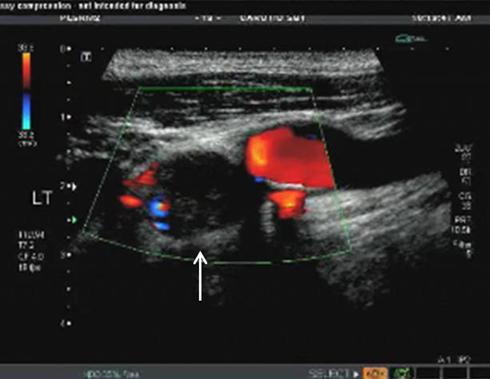
The case in the top movie had bilateral tumors; this occurs in 5%. The bottom movie shows a highly vascularized lesion with a branch coming from the external carotid.

This was embolized on the morning of surgery [figure below], and the tumor was avascular and shrivelled up at extraction.

embolization

Generally they are not malignant but are characterized by steady growth, mass effect, and eventual unresectability. Some are malignant and will metastasize, generally to lymph nodes. It is believed that malignant carotid body tumors are in the minority.

The use of embolization in larger tumors is a topic that has its proponents and detractors. I have found it useful in larger tumors, but unnecessary in the smaller ones. There is some risk to the patient and these can be technically challenging cases for the neuroradiologists, as these tumors take multiple sources from both internal and external carotid arteries.

References

  1. 1.Am J Surg 122:732, 1971.
  2. 2.J Vasc Surg 7:284, 1988