Categories
AAA EVAR techniques

The Last Vein

image

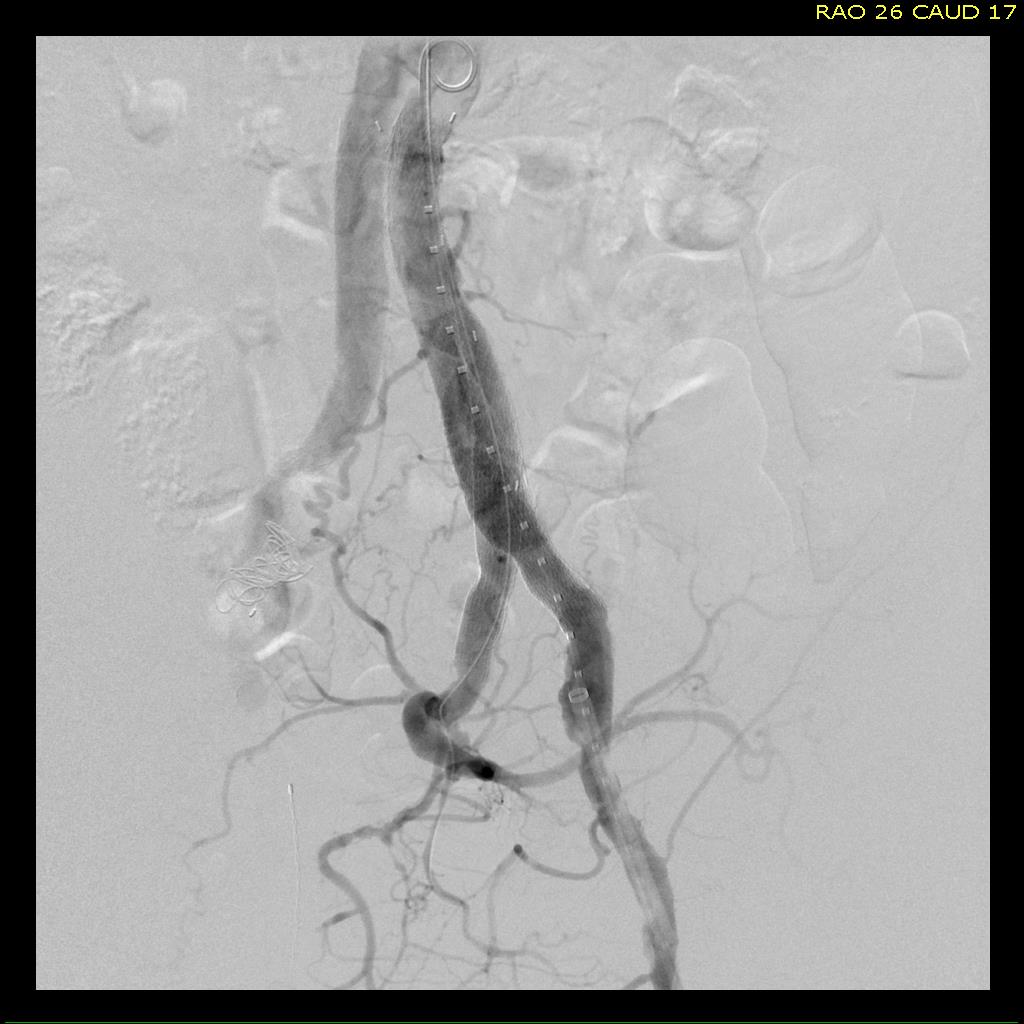
The deep femoral vein offers an important source of autologous conduit, particularly for aortic reconstruction or for limb salvage. It may be mobilized on one day and harvested another in a staged fashion to avoid a prolonged operation. While there is a period of leg edema postoperatively, most tolerate harvest of this vein which may be life saving.

Categories
peripheral aneurysm techniques

Open repair is preferred for younger patients

  
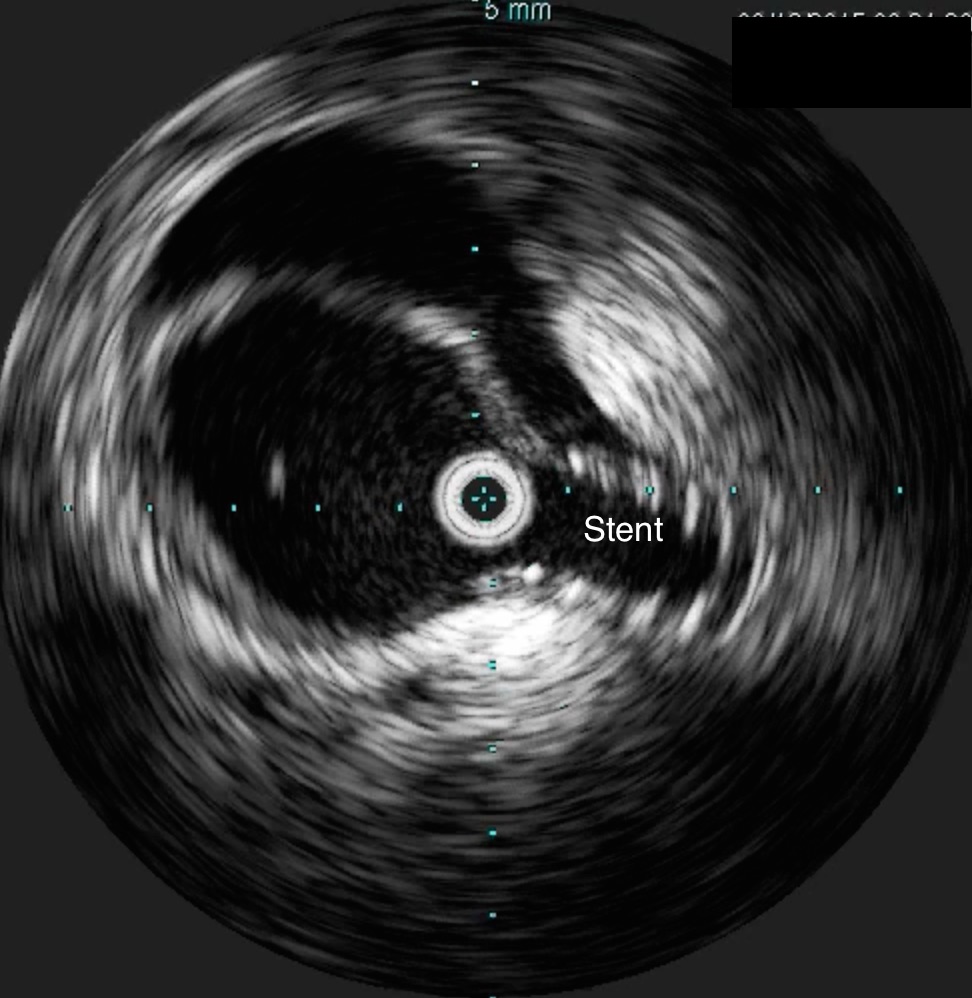
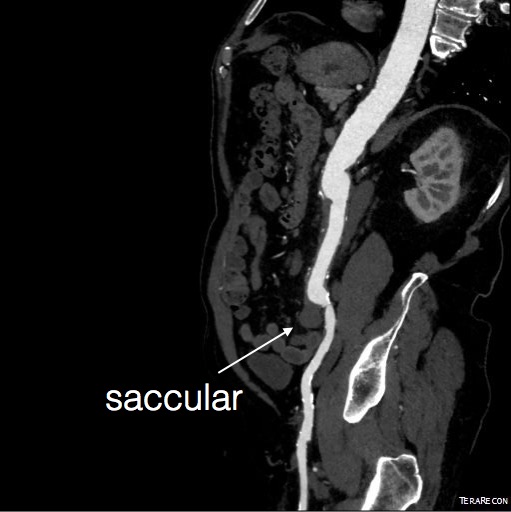
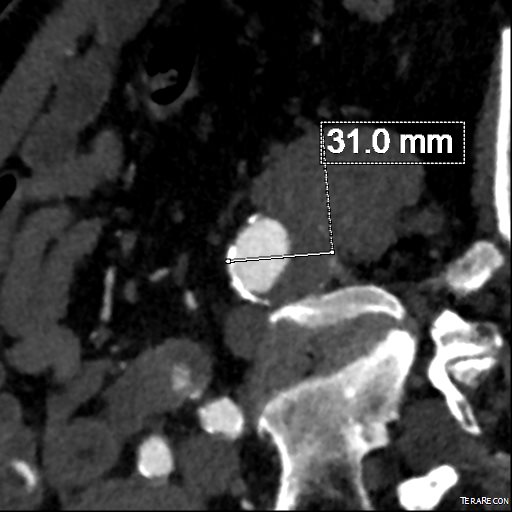
The patient had an isolated 3.0cm common iliac artery aneurysm. Patient is in his fifties and wants to avoid the need for annual CT scans, buttock claudication. He had also read about neurological complications with open aortic surgery like retrograde ejaculation. 

  
An older patient may be well served with hypogastric artery embolization and iliac stent grafting. In the absence of an aortic or contralateral common iliac artery aneurysm, it would be hard to justify placing a bifurcated aortic stent graft to then accessorize with snorkels. He was not a candidate for the branched iliac stent graft trial (disclosure: I am a site PI for the Gore iliac branched trial and the Cook iliac branched device is also available on trial) and he was not enthusiastic about the follow up -neither was I, when we discussed other endovascular options. 

When I broached open surgery, there was a pause because he had read about all the endovascular procedures that were possible, but truthfully, he had never had an honest discussion about open repair. 

In the current set up of care and training, there would be opinions favoring a purely endovascular approach. Ironically, in another time, the approach we chose would have been considered minimally invasive. The operation was planned with a left lower quadrant retroperitoneal pelvic exposure. The plan was to replace only the aneurysm and revascularize both the internal and external iliac arteries. The internal was revascularized with an end to side anastomosis to a 12mm graft and the common iliac to external iliac revascularization was end to end. 


The patient recovered and was discharged in two days. The good thing is that he won’t face buttock claudication and has a low risk of neurologic complications (primarily retrograde ejaculation). Future endovascular options were maintained in the way the graft was tailored -particularly in the creation of a generous landing zone for any future aortic endograft. The patient won’t need to come back for surveillance on the same rigorous schedule as an endograft. 

Categories
humor training

A Dozen Snippets of Advice to Graduating Trainees

IMG_2287.PNG

  1. Pass your boards and get your licenses. Board eligibility has the shelf life of a sack of dog food. After about two or three years, you better throw it out. While your apprenticeship with me and my partners has given you insight into the various styles and techniques of repairing arteries and veins, no hospital or insurance company will let you touch a patient without eligibility or certification. And while you are at it, maintain your certification  with CME’s. Apply for licenses early and diligently. You are like newly hatched baby sea turtles and the ocean is your board certification.
  2. Look the part. Stand up, look people in the eye, smile. Stay well groomed and wear clean clothes. Scrubs are acceptable only on days you are operating in the hospital, but no one should see you at the grocery store in them. Dress professionally, but don’t spend more money than your peers or partners. Clean fingernails a given.
  3. Remember, your first job is not like a first spouse and may not be forever. Exit strategies at a basic that can be negotiated from the start is coverage of a tail policy upon mutual separation. Triggers for retention salary (never bonus which is taxed differently) can be negotiated. For example, you take a rural job away from people you might want to marry –you may put in your contract that every year after a certain number you aren’t married, you get a raise. Same with partners who are said to be near retirement –people live longer and want to work longer, and you might find that promised increase in volume and salary does not come to fruition. Contracts can be structured for retention salary increases in those instances. Hard to recruit areas need to recognize that and be willing to increase your salary based on volume that would otherwise go to another partner if they could recruit them.
  4. While it can be viewed as a business transaction, you are setting out to take care of people in a community. Cultural competence is a huge advantage if you are not a native. Understanding the reluctance of an 80 year old Iowa farmer to get surgery in the fall because of the harvest may give you insights to head off argument –their fine sons or daughters may come home and help organize the harvest. Part of the process of getting to know the community is establishing some roots –I don’t mean marrying the mayor’s daughter or having three kids out of wedlock. It means joining clubs, churches, community organizations. It means attending the local fairs and buying from local stores even when Amazon would be a lot more convenient.
  5. Towns can be measured by metrics. How hard is it to get to New York from where you are. Is it in fact New York? How hard is it to get to your town from where your loved ones are? What is the swankiest brand of car sold in that town. Is sushi made by Japanese, is dim sum by Chinese, the pho by Vietnamese? Is there Korean food? Is there a Whole Foods? Is there a functioning public transportation system? Can you get fresh fish? How many pro sports teams are there? Is there a college nearby that you have heard of? How fast is the internet? Is there cell coverage? Do they drink the tap water? Is there a meth/heroin/oxycontin problem? Is the highest paid person in the state the football coach?
  6. Learn the limits of your hospital, your ICU, your floors, your consultants, your office staff, and yourself in equal measure of importance. Be patient and stick to simple straightforward low risk cases if possible and have partners co-scrub more challenging cases. Find and know the regional referral center if you are in a community hospital and don’t feel shy about referring patients beyond the capabilities of everything in the first sentence. Your results will be under a microscope, but the most important watcher is you.
  7. Take care of yourself. Exercise, eat right, and take up a leisure time activity that won’t result in lawsuits or court ordered DNA tests. Golf is great. Vacationing is okay, but spending every moment of time out of town sends the wrong message. Budget and start saving for retirement because you won’t be doing this forever. Pay down debts and don’t take on unnecessary debts. You don’t need a Porsche or a McMansion. If you have kids, stick to public schools and live modestly unless your spouse has a lot of money, then you’re a trophy spouse!
  8. Low hanging fruit of publicity –eating meals in the doctor’s lounge, chatting with staff in the OR lounge, attending staff functions, joining the local medical society. The ten minutes of conversation over a stale sandwich or rubbery, overcooked chicken works. Make sure to have business cards handy or your contact set up to share easily by text or email. Pro tip: having pens printed with your name and practice and number –the equipment and drug reps can’t give you swag but you can give them swag to give out. Give grand rounds or CME talks. Bring in your former faculty as guest speakers. Get an article in the local paper –it will end up on the web site, but mostly older people, ie your patients, will read actual papers. Social media and the internet –unless you are deeply committed to keeping a live presence there with frequent posts and comments, don’t bother. There are too many practice websites and doctors blogs that get refreshed every 3-5 years that they are a liability. You need to blog weekly or FB, Tweet, and Instagram post daily to get a following. That said, done right, you can control your image far better than the hive mind will. The people reading the internet won’t be your vascular patients, but it will be their kids who will search you out on the internet. The other tactic is to never, ever be on the internet.
  9. Humans, from the time of the Australopithecines and maybe before, are organized through direct personal relations in groups numbering up to ten or twenty. You will be in control of an OR or an office, and you have to learn how to do this well to be effective, and it will depend on forming good working relationships. This is not easy and mistakes will be made, but ultimately your success will depend on how well you orchestrate your team. Buying pizza for the team is a good way to get pizza for yourself, but will also earn the gratitude of your people.
  10. No amount of preparation on your part will make up for problems outside of your control. When managing these by “taking ownership,” usually by starting committees and study groups, takes up increasing part of your day and happen without compensation or acknowledgement, it is time to move.
  11. Surround yourself with smart competent people. No referral stream is worth the trouble of associating with stupid, incompetent people, because ultimately, you will become one of them. That said, graduating at PGY 5-7, maybe more, means that you are likely the most trained, most up to date individual in the medical community and to the degree you have to live and work there, you have to give something of yourself to take care of patients. If that means admitting a complex patient with an unrecognized exacerbation of a connective tissue disorder because they were referred to your clinic with foot pain, it may be simpler to simply admit the patient to your service and start the care and workup rather than trying to do an outpatient turf. Sending this patient to the emergency room or dismissing the patient with instructions to set up a specialist appointment washes your hands, but you are not taking care of this person are you?
  12. You are being paid to be smart and competent at vascular surgery like LeBron James was brought back to Cleveland to revive it economically and redeem its souls from perdition. Act accordingly.
Categories
Journal Club

May Journal Club

May Journal club is upon us. The winner of April’s was Dr. Hardy who gave an excellent review of Gwon et al’s paper on covered versus bare metal stents in malignant SVC occlusions. The presenters are (with link to PDF).

Dr. Wohlauer: EVLT vs. Stripping

Dr. Vargas: Compression stockings for PTS

Dr. Abbasi: Balneotherapy in advanced CVI

Categories
AIOD aortoiliac occlusive disease (AIOD) CTA EndoRE PAD remote endarterectromy techniques

EndoRE-ABF -an alternative to the EndoABF which is in turn an alternative to the ABF.

  
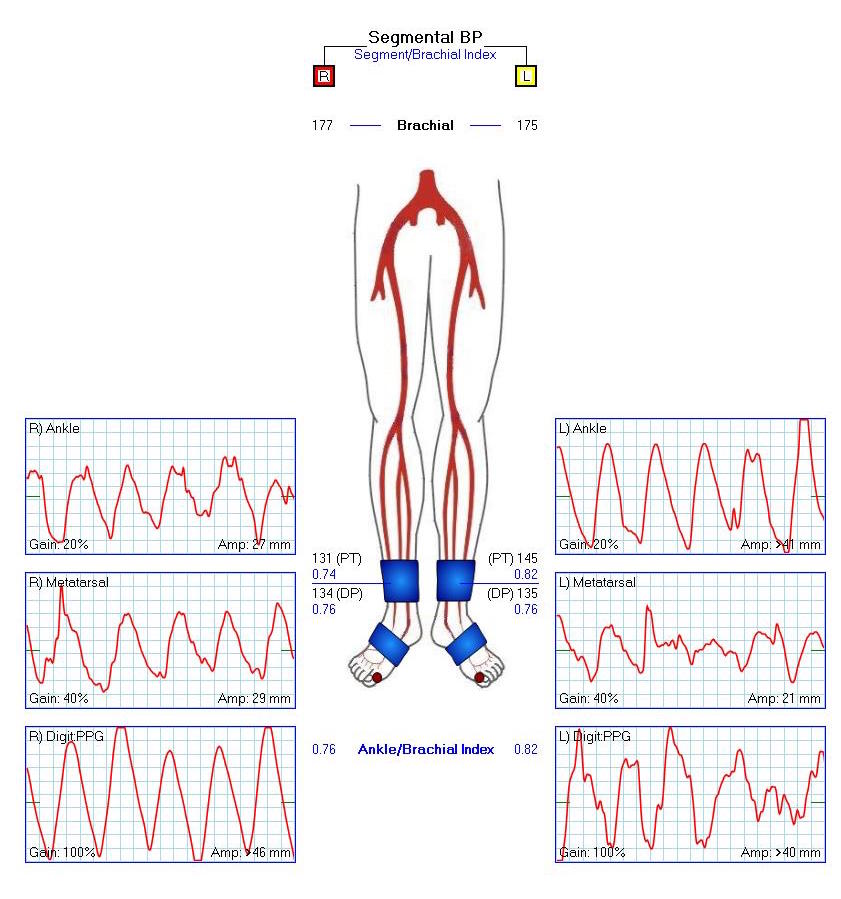
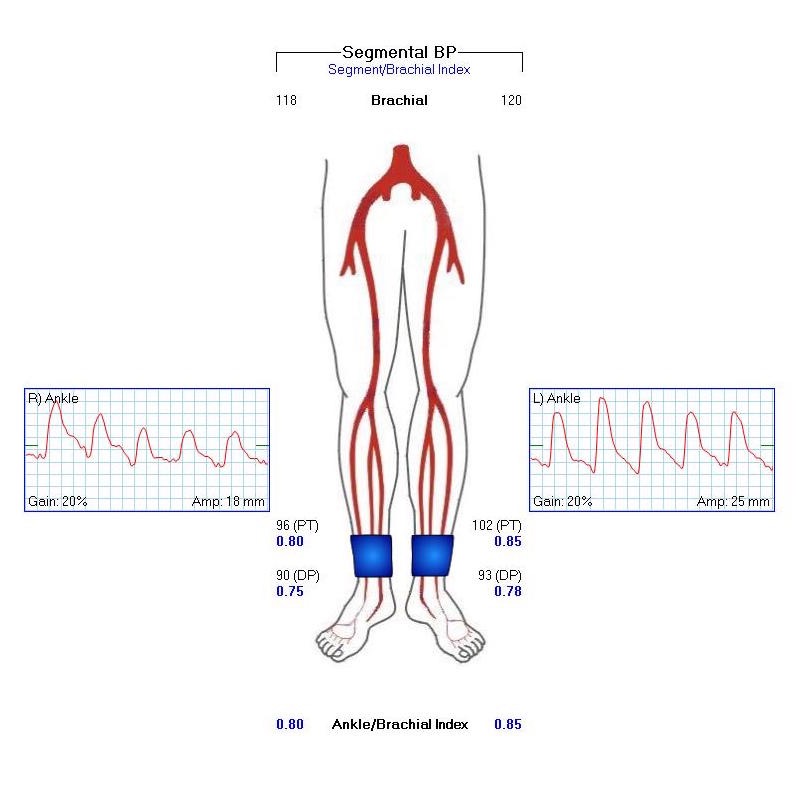
The patient is 70 year old woman with prior history of smoking who developed severe claudication and near rest pain. She was unable to walk more than 50 feet before having to stop due to severe leg pain. On exam, neither femoral artery pulses were palpable. PVR’s (pulse volume recordings) and ABI’s (ankle brachial index) are shown below.

PVR pre2

PVR’s demonstrate the presence of severe inflow (aortoiliac occlusive disease or AIOD). CTA was acquired and the findings were consistent with the PVR’s.

preop centerline CTA composite

There was diffuse bilateral iliac atherosclerotic plaque with occlusion of the right common femoral artery and left common and external iliac artery. The 3DVR (three dimensional virtual reality) reconstruction image below shows this as well as the abdominal and pelvic wall collaterals feeding the legs around the occluded iliofemoral system.

Pre CTA

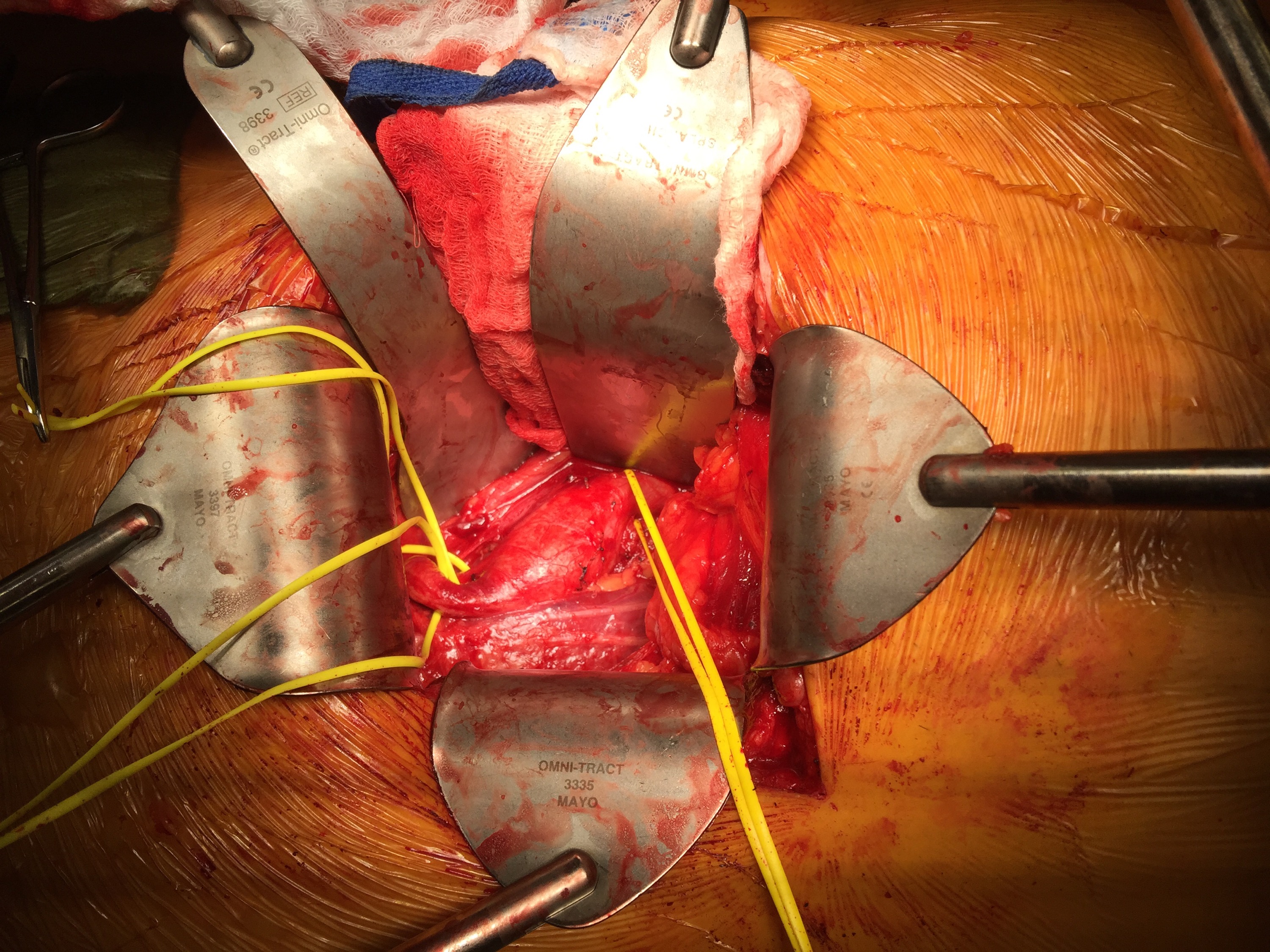
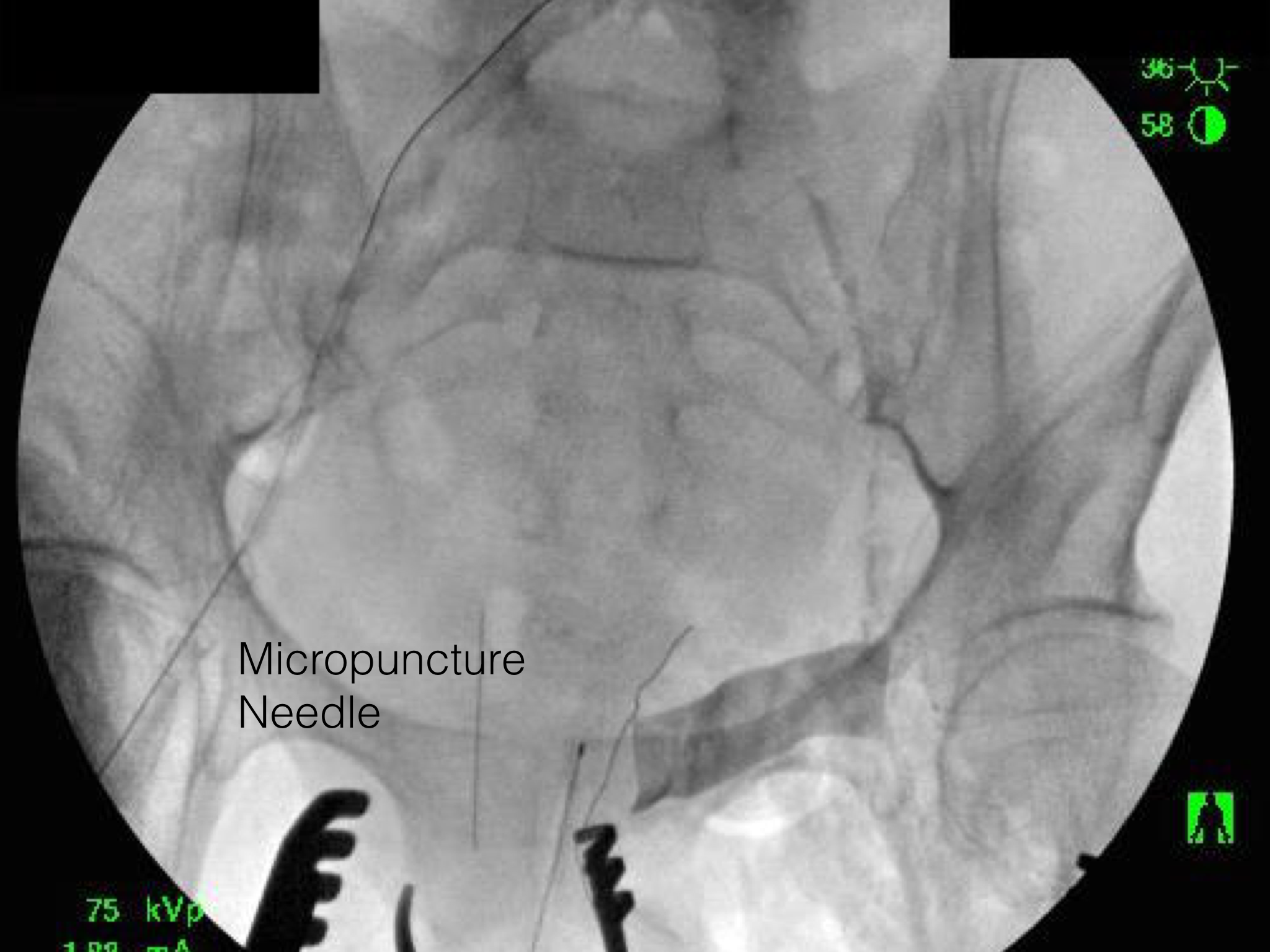
Plans were made to perform a hybrid common femoral and profunda femoral endarterectomy, remote external iliac artery endarterectomy (EndoRE), and common iliac artery stenting. The specific challenges to this case was getting into and staying in the true lumen. Typically, this is easiest to achieve from a left arm access with wires being pushed antegrade, but in a smaller person, particularly woman, this increases the chances for access site complications. My plan was to expose both common femoral arteries and get control of the external iliac arteries at the inguinal ligament and the profunda femoral arteries at the point the proximal plaque dissipated -typically at the second branch point, and then get micropuncture access of the right iliac system by accessing from the common femoral plaque. This would give me true lumen access, and with a sheath and curved catheter (VCF in this case, but a similarly shaped OMNI Flush catheter would do as well), wire access up and across the occluded left iliac system could be achieved and the wire retrieved from the left common femoral artery. This up and over access with the wire allows for control of the aortic bifurcation and both iliac systems.

I perform EndoRE over this wire -this allows for quick access if the artery is ruptured. To minimize blood loss, I gain control of the common femoral artery in the following fashion -a 4cm segment of common femoral artery is left intact and looped above the inferior epigastrics -this loop is brought out in the lateral lower quadrant of the abdomen so that the loop doesn’t travel distally over the arteriotomy. The second loop adjacent to the arteriotomy is sent through periadventitial tissues behind the artery to keep the loop migrating over the arteriotomy. The arteriotomy is created from the distal CFA (common femoral artery) onto the profunda femoral artery (PFA) where the endarterectomy is started. A separate arteriotomy on the superficial femoral artery (SFA) allows me to divide the plaque and mobilize the proximal segment up to the SFA origin, freeing the CFA plaque in this manner. It also gives me the option to perform EndoRE of the SFA if warranted. The dissected plaque and system of loops which I call the blood lock is shown below:

  
The yellow loops are major control points (the blood lock loop is drawn in the picture above) and the red loops are around smaller branch arteries. At this point, micropuncture access through the plaque core was achieved into the true lumen of the yet patent EIA (external iliac artery, picture below).

 
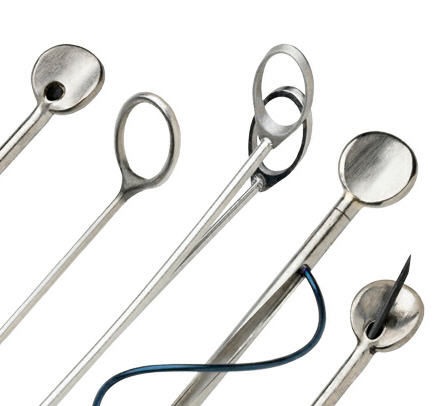
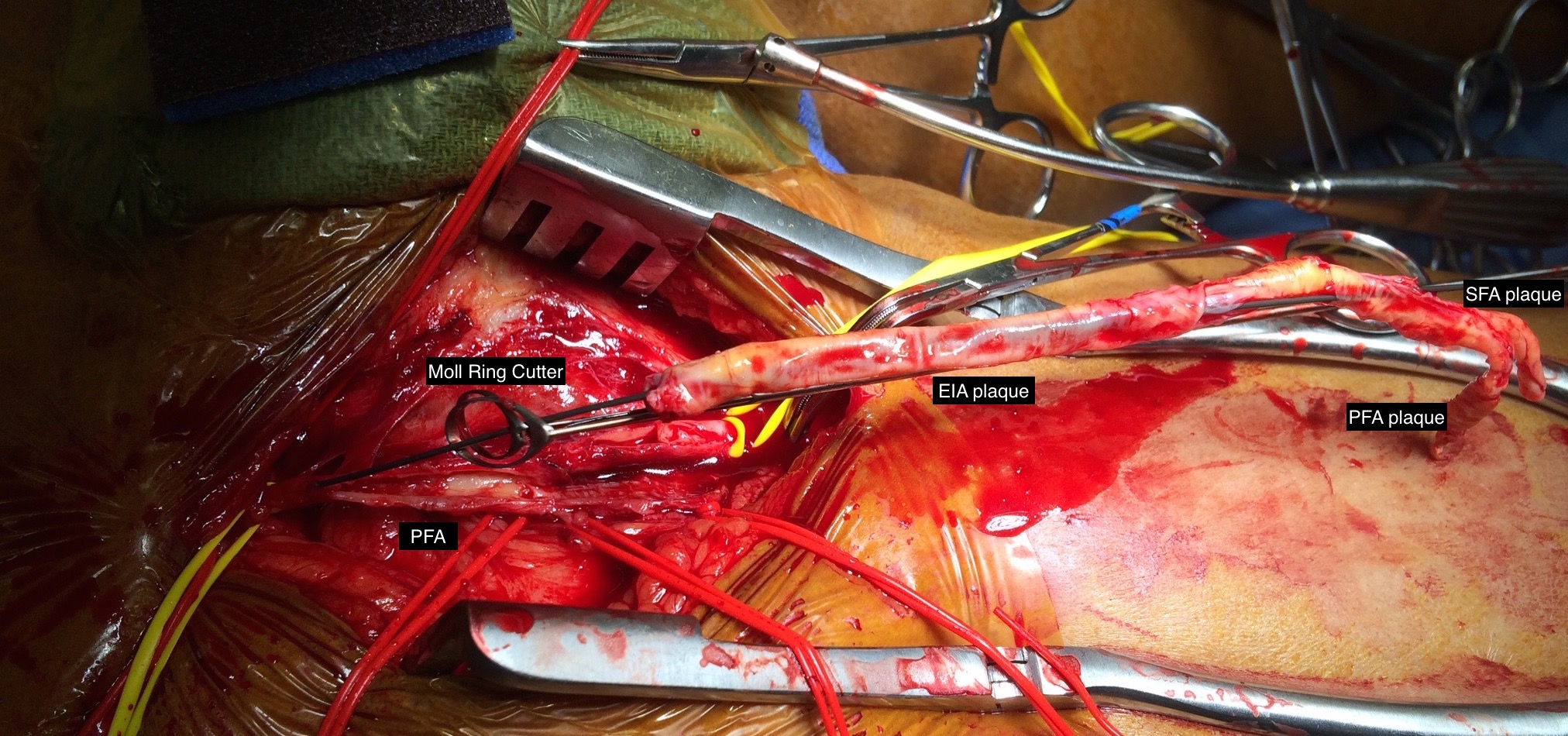
The right EIA plaque was mobilized with a Vollmer ring dissector, and cut with a Moll ring cutter (LeMaitre).


This allowed for cutting and removal of the plaque. 

  
Up and over access and control of the wire from the contralateral (left) arteriotomy allowed for EndoRE on the other side. The occluded left common iliac plaque was ballooned and wire access into the aorta from the left was achieved. 


Kissing balloon angioplasty was performed with revascularization of the aortoiliac bifurcation and common iliac arteries. 


The stents were extended across the dissected end points of the external iliac artery origins. The arteriotomies were closed with bovine pericardial patches. Because the PFA were of small caliber, to avoid narrowing the distal end of the patch, the patches were sewn over Argyll shunts which also allowed perfusion of the legs during the suturing of the patches. The loops made this a straighforward maneuver. 

The completed CFA to PFA patch on the left is shown below:


Closure involved reapproximating the Scarpa’s type investing fascia of the femoral triangle and a running dermal layer of absorbable monofilament, dressed with a surgical glue. No drains were used, but if needed, they would be exited through the counter incisions created for the EIA loops. 

The patient recovered well. I always use cell salvage -sometimes, profundaplasties can be bloody, particularly if they are in reoperative fields. The ABI’s and PVR’s at the ankles improved significantly.

  The postoperative CTA shows good results as well. Below is the composite right and left centerline from aorta to the PFA’s. 

  
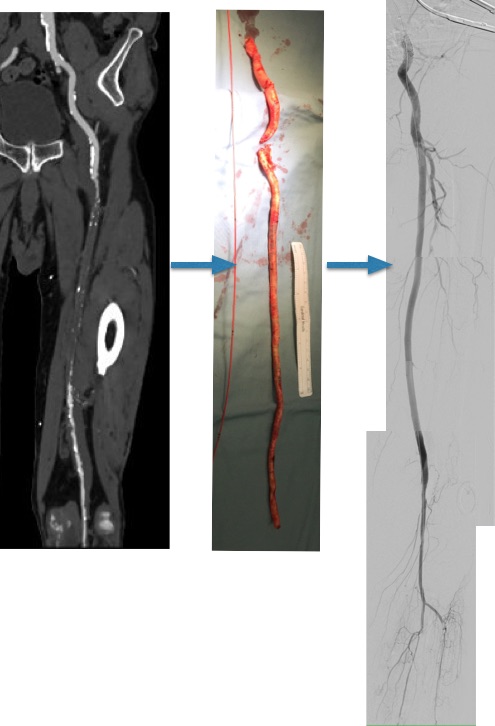
The 3DVR reconstruction images are shown below, with the comparison to preop shown in the first image of this blog entry:

  
The pre and postoperative images of the centerlines (composited) are shown below:

  
EndoABF is an established hybrid procedure involving an open endarterectomy of the common femoral and PFA/SFA with iliac balloon angioplasty and stenting, often taking the stents distally into the CFA and the patch to deal with complex distal EIA plaque. This procedure, which would be an EndoRE ABF, offers some advantages in eliminating the need for EIA stents which are often placed across the inguinal ligament and into the patch during EndoABF. In my experience, the EIA EndoRE performed as an extension of a CFA endarterectomy is safe, and made even safer by performing the EndoRE over a wire. Published results from Europe shows for TASC C and D disease, EIA EndoRE has excellent patency, and I would expect the same here. EndoRE and Endo ABF both offer advantages over traditional ABF, particularly in patients with medical comorbidities. 


Categories
EndoRE PAD remote endarterectromy

Should the SFA be revascularized during an inflow procedure?

Sketches - 12

The patient is a 70 year old man who arrived with complaints of worsening claudication, worse on the left leg. He smokes over a pack a day. On exam, he only had femoral pulses, nothing was palpable below. PVR showed multilevel disease with an ABI of 0.42 on the left leg.

PVR preop

CTA was done showing that both his SFA and PFA were occluded, along with occlusion of his AT in the mid leg, and tibioperoneal trunk.

cta TIBIAL_1

There is a reconstitution point on the PFA, and there is also SFA constitution. Looking at this, it was apparent to me that it would be possible to endarterectomize the whole of the iliofemoral and femoropopliteal system from a single groin incision, but the question being, would a profundaplasty be sufficient.

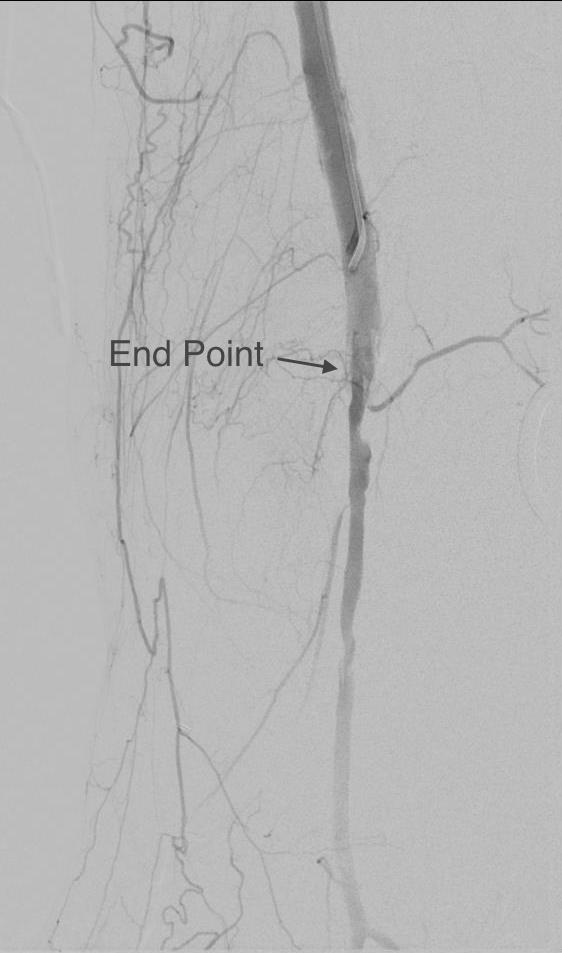
Arrow points to calcium free terminus for SFA EndoRE

The textbook answer is profundaplasty, but given my experience with endarterectomy, it has become apparent that removing all the plaque, including CFA and iliofemoral plaque reduces the chance that clamp injury and stenosis occur, and that placed in the common iliac system have better patency than those placed in the external iliac, particularly crossing the inguinal ligament into a patch.

The other observation is that with this exposure, SFA remote endarterectomy is very simple to do, but becomes more difficult in a redo situation. The only problem with going ahead with it is that the runoff is poor -all three tibial vessels occlude, but a very robust posterior tibial artery reconstitutes proximally from well developed collaterals.

The CFA, PFA, and SFA were exposed as shown in my sketch at the beginning of the post. Wire access up and over from the right side allowed for secure control of the aortoiliac segment. The endarterectomy was started from the PFA reconstitution point and the CFA plaque was mobilized. The SFA plaque was transected in a proximal arteriotomy and the plaque was mobilized with a ring to its origin. The CFA plaque then was mobilized with the ring dissector over a wire (for security in case of rupture), up to the EIA origin and cut.

Image-5

The distal SFA plaque was endarterectomized to the planned end point above the knee joint.

Image-4

The specimen is shown below.

specimen

The arteriotomies were repaired with patches. The common iliac artery was stented to improve the flow. The SFA end point was managed with a stent, placed proximal to the first large geniculate collateral.

prepost sfa endpoint

Completion angiograms show widely patent EIA, CFA, PFA, and SFA

Completion

The patient recovered and was discharged on POD#3. His postop ABI’s are shown below.

ABI post2

They are improved compared to preop, with ABI’s of 0.65. Notably, he did have a weakly palpable posterior tibial artery pulse, and multiphasic signals in all three tibial vessels. While I don’t know if the SFA revascularization will stay open, I am confident the PFA will, and this will keep him from his symptoms recurring and is a durable procedure.

Ideally, if he had needed a distal revascularization, a vein bypass would be the answer, but in the setting of inadequate conduit, it is very simple to endarterectomize from the below knee popliteal artery the remaining plaque and either patch to the patent tibioperoneal trunk or perform a short POP to posterior tibial artery bypass. He did not require this.

I don’t know the answer to the titular question, but in the setting of an inflow procedure, the best chance at opening the SFA is during the inflow procedure because of the exposure, and it is very simple to do when the lesion is minimally calcified.

Categories
EndoRE PAD remote endarterectromy techniques

Removing Occluded Stents For Critical Limb Ischemia

Image-22

The patient severe claudication and nocturnal rest pain and had undergone an inflow procedure at another hospital consisting of a common femoral endarterectomy and a single stent to the external iliac artery near its origin from the iliac bifurcation. He also had undergone a concurrent SFA atherectomy which closed and was treated with SFA stents extending from the SFA origin to the above knee popliteal artery. Unfortunately, his rest pain worsened.

ABI2

On exam, he had a femoral pulse only and no distal pulses, only monophonic and weak pedal signals. The right groin wound had been treated for postoperative wound infection and there was still some swelling and a stitch abscess, but no deep infection. CTA showed that his profunda femoral artery had a focal dissection or stenosis at the origin along with overhang of his SFA stents across the origin of the PFA. The SFA stents were occluded along their whole length. There was remnant disease of the external iliac artery as well.

00020868139_20150409_8

00020868139_20150409_1

There was reconstitution of a diseased but patent above knee popliteal artery with three vessel runoff. He had had harvest of his greater saphenous vein. Treatment options included multisegment arm vein with redo profundaplasty, but given the inflammation around his recently operated, recently infected groin, I was concerned for wound infection. He was also quite disabled by his worsened pain. The other option was to access the left common femoral artery and placed a sheath up and over and wire across the diseased profunda and intervene on it, but with the stent in place, I would have to place likely another stent across the origin. I could then attempt a bypass with arm vein or prosthetic graft using this compromised artery as inflow for a bypass to the below knee popliteal artery or a tibial vessel but I doubted this would be durable, nor resistant to infection if prosthetic was used.

Remote endarterectomy (EndoRE) gave me a third option. It is a hybrid technique, but based on an old and established technique of open remote endarterectomy dating from the 60’s. Rings (Vollmer Rings, LeMaitre Vascular) are used to dissect occlusive plaque under fluoroscopy, and a cutting ring (Moll Ring Cutter, LeMaitre Vascular) is used to cut the plaque at the chosen location. Because the distal end point of dissection is not surgically exposed, but rather fluoroscopically guided, it is termed Remote Endarterectomy. Wire skills are required to access and repair any dissections that may occur.

I have presented in the past a series of cases where I removed occluded stents. Because the dissection is carried out outside the plaque, it is also outside the stent. Retrograde EndoRE of SFA plaque can be carried out up to the SFA origin, and avoid a groin incision which in this case was important. Therefore, a proximal thigh exposure of the SFA and EndoRE was planned with endovascular access by left CFA as described.

Photo Apr 15, 10 08 52 AM

The SFA was a hard, calcified pipe and control was achieved with vessel loops which allow passage of the ring and occlusion of the artery once the plaque and stents were removed. The artery was opened via longitudinal arrteriotomy and the plaque mobilized and divided. The proximal SFA plaque was then dissected (above and below).

proximal dissection

There was immediate establishment of a robust pulse in the proximal SFA after removal of the plaque.

Photo Apr 15, 10 14 06 AM

Distally, the plaque would not mobilize at a point in the artery where there was laxity in the artery and especially adherent plaque and therefore, the distal SFA was cut down on to reaccess the stent from below.

Cutdown to reaccess plaque, basically a reversion to the original pre-endovascular technique.
Mobilizing stent from above and below
The distal plaque was cut with a Moll Ring Cutter. The removed specimen in total is below.Photo Apr 15, 12 03 16 PM

The arteriotomies were repaired with patch angioplasties using bovine pericardium. This allowed for completing the procedure with endovascular techniques which included the distal end point dissection, profunda stenosis, and external iliac stenosis.

Distal end point managed with self expanding stent.
PFA

EIA

At completion, there was a palpable dorsalis pedis artery pulse. The composite angio with preop CTA centerline reconstruction are shown below.

completion

He had relief of his symptoms. Prior to discharge, ABI and PVR’s show normalization of flow to his foot.

Image-2

Conclusion: In my experience, the longevity of these lesions is dependent on the same factors dictating other revascularizations -excellence of inflow, optimization of profunda outflow, and good tibial outflow. The conduit, being the recanalized original artery, is not as good as a single vein, but it remodels and becomes normal artery based on micro pathology. Failure occurs at the stent with the usual restenosis that can occur in some but not all people, and in isolated points in the artery where likely remnant tissues scar creating focal lesions. Frequent surveillance achieves acceptable primary and secondary patencies. Thromboses do occur. Unlike PTFE grafts, thromboses in EndoRE is usually limited to the recanalized artery without distal embolization. Stent removal is challenging but feasible. In this patient, a second cut down was required to achieve plaque and stent removal. The groin was not re-entered, avoiding dissection in a recently infected, surgical wound. If the popliteal was occluded, a popliteal endarterectomy via a below knee cutdown is possible achieving total femoropopliteal plaque clearance, and the below knee popliteal artery can then be used for a very short bypass to one of the tibial arteries if indicated and if autologous vein is limited in availability.

EndoRE offers a third option after bypass and intervention and should be in a vascular surgeon’s armamentarium.

Categories
Journal Club SVC

April Journal Club

April Journal Club is coming up on us this Tuesday, April 21, and will be centered around SVC Syndrome and central venous occlusive disease. Dr. XY Teng won the award for best presentation in the March Club meeting. Our presenters this Tuesday are:

Dr. M. Abbasi – Aldoss et al link

Dr. D. Hardy – Gwon et al link

Dr. L. Rangel – Bakken et al link

Same rules apply. See you there.

Categories
bypass PAD techniques Wounds

Deep rescue from a hospice: saving a patient from hip disarticulation with advanced hybrid inflow procedure and vein bypasses

PREOP.001

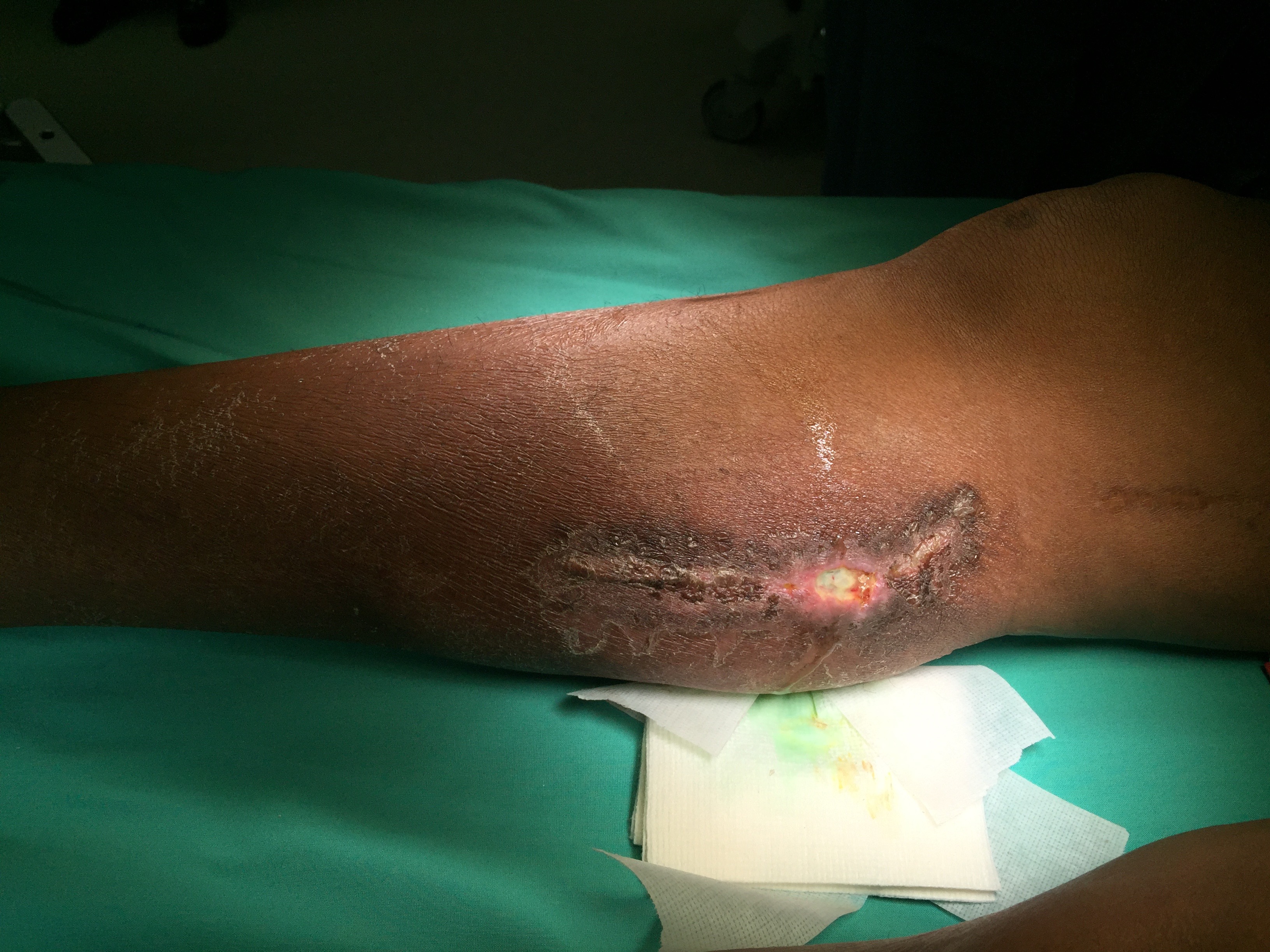
The patient is an elderly man who had bilateral above knee amputations after failure of aortobifemoral bypass grafts at an outside institution. Unfortunately, he had no femoral pulses and his amputation on the right broke down (image above). His left stump had erosion of his femur to the skin with rest pain as well, but was at least covered by skin for now. He was declared too sick for hip disarticulations and was sent to a hospice where he failed to pass away. After a year there, he was sent to us for an evaluation.

He was suffering from rest pain and had complete breakdown of the skin over his amputation stump. More worrisome was the development of gangrenous scrotal and decubitus ulcers which were small but persistent and also foci of pain. CTA showed the following:

PREOP CTA.001

The aorta was occluded below his renal arteries. An AV fistula near his common femoral vein lit up his right iliac vein on the CT above. He had had a prior aortobifemoral bypass but this was occluded. Gratifyingly, it was anastomosed proximally end to side, giving us options. As with any revascularization, we had an inflow source -his aorta, and several potential outflow sources (CTA below, contrast filling iliac vein from AVF’s).

OUTFLOW.001

In particular, his distal profunda femoral artery showed promise. Vein mapping revealed a short segment of basilic vein in his arm to use as bypass, but we needed inflow from the aorta.

I have come to appreciate two things about aortoiliac recanalization. First is that passing the wire antegrade is far likelier to stay in the true lumen at least in the aortic inflow segment -retrograde wire passage inevitably dissects the occlusive aortic plaque and reentry into the true lumen of the diseased aorta is just as challenging as in the leg. The second is vein bypasses have excellent patency in challenging conditions -you just need excellent inflow and an arterial bed to perfuse.

My plan was to cross the aortoiliac occlusion with a wire from the left arm. Once the right iliac system was entered, it didn’t matter if I was in a subintimal plane. The wire could be seated in the common femoral artery to access with a surgical exposure. Once this was done, my intention was to perform remote endarterectomy of the external iliac artery and stent from the aorta to the common iliac artery. The endarterectomized external iliac artery would be the inflow source of a later staged ilio-cross femoral bypass to revascularize his left AKA stump. The common femoral artery at its origin would provide inflow to a short vein bypass to his profound femoral artery.

The wire passed readily into the right iliofemoral system and a groin exposure and common femoral arteriotomy allowed me to retrieve the wire which had been passed from the left arm. A remote endarterectomy was performed over the wire which I do to ensure access in case the artery ruptures (specimen below).

OR IMAGES.001

This allowed me to place a sheath into the right iliac system in the now reopened external iliac artery. Balloon angioplasty of the aortoiliac segment created working space for placement of balloon expandable stents from the infrarenal aorta to the common iliac artery, restoring an excellent pulse in the right groin.

The profunda femoral artery was encased in scar tissue, but following the occluded PFA from the CFA, I was able to expose an open segment and cut it open in the scar tissue. There was back bleeding, and I controlled the artery by placing a small Argyll shunt into the artery and reperfusing it from the recanalized right iliac system.

OR IMAGES.002

The Doppler flow in the shunt was excellent, suggesting great outflow potential. The bypass was performed over the shunt with reversed basilic vein. Completion arteriography showed excellent flow.

PLANNING SLIDE.001

The amputation stump was debrided of dead bone and muscle and the graft was covered with a sartorius muscle flap.

OR IMAGES.003

Before and after images are shown. The remaining open wound granulated well, and ultimately accepted a split thickness skin graft. His scrotal and decubitus ulcers healed as well (below at 6 months post op).

IMG_2380

His left AK stump subsequently degraded while he recovered so three months after this operation, he underwent a right external iliac to left profunda femoral artery bypass with cadaveric vein.

00018205637_20131006_1

00018205637_20131006_6

I don’t like using cadaveric vein, but we really had no options. The right external iliac artery was approached through a right lower quadrant (transplant) incision and a punch biopsy of the artery revealed only normal adventitia on pathology. The EIA was soft and sewed well -essentially a normal artery brought back from the dead. The left profunda femoral artery was large after endarterctomizing its origin and accepted the bypass flow well.

The mortality from hip disarticulation in the setting of gangrene and infection is very high, and I feel that standard approaches to this problem -prosthetic axillo femoral bypasses, thoracobi-femoral bypasses, in the setting of advanced infection and gangrene were unlikely to succeed. In over 1.5 years of followup, everything has remained patent, and the patient lives independently.

Categories
bypass PAD techniques Uncategorized

The best last conduit is your own artery


The patient is a 60 year old with severe peripheral vascular disease. Risk factors included smoking, hypertension, and type I diabetes. The patient had developed gangrenous eschar over toes 1, 2, and 3. He had had prior bilateral femoropopliteal bypasses with saphenous vein, which was occluded on his symptomatic side, and stent grafts had been placed on his distal femoral to popliteal artery, but these were occluded. He also had chronic edema with some early lipodermatosclerosis and pitting edema. He was emaciated and had a low prealbumin. 

CTA showed diffuse aortoiliac atherosclerosis with a severe stenosis in the proximal common femoral artery.


The femoropopliteal stent grafts were occluded but the popliteal artery reconstituted into a diseased set of tibial vessels -only the posterior tibial artery remained patent into the foot and remained as a target.


Preoperative angiography corroborated the CT findings.


The preoperative vein mapping suggested there was an acceptable anterior thigh tributary vein and marginal segments of vein below the knee. Arm vein was available as well. 

My plan was to explore the veins on his legs and expose his CFA and BKPOP along with the posterior tibial artery. If the veins were inadequate, I would proceed with open endarterectomy of the common femoral artery and remote endarterectomy of the external iliac artery and stenting of the diffusely diseased common iliac artery and remote endarterectomy of the femoropopliteal segment above the stent to use as inflow for a shorter bypass with the vein we had. 

Exploration showed that the anterior thigh vein was thin walled and became diminutive in the mid thigh. The infrageniculate veins were numerous and too small. I thought I might have enough for a short bypass from a recanalized mid SFA. 

The remote endarterectomy of the external iliac and stenting of the common iliac went without complications. I do this over a wire to ensure access in case of rupture. A postop CTA shows the results in the aortoiliac segment.


Remote endarterectomy of the SFA went smoothly but was held up by calcified plaque above the occluded stents. 

SFA plaque

I cut down on the SFA and found that the vein from the thigh would be short. I mobilized the plaque and re engaged the Vollmer ring and was able to dissect the stents. By starting another dissection from the below knee popliteal artery, the stent was mobilized and removed.

Viabahn stent grafts, occluded, removed

The figure below shows the procedure angiographically. I used a tonsil clamp to remove the mobilized stents.

Left, prior to remote endarterectomy, Mid -stent removal, Right -completion

The common femoral and mid SFA arteriotomies were repaired with patch angioplasties. The infrageniculate popliteal arteriotomy was used as inflow to a very short reversed vein bypass with the best segment of thigh vein to a soft posterior tibial artery.

Before and after of thigh segment


Before and after, the CTA on right is late in phase and has venous contrast.

Before and after, centerline.

The patient had a palpable posterior tibial artery pulse at the ankle. CTA predicted the plaque found in the tibioperoneal trunk which compelled me to do the short bypass. In my experience, remote endarterectomy, sometimes with short single segment bypass, successfully restores native vessel circulation without need for lengthy multisegment arm vein bypass. Remote endarterectomy of the external iliac artery avoids the difficult CFA plaque proximal end point that often requires stenting across the ligament down to the patch. Only a single common iliac stent is required. I generally anticoagulate these patients with warfarin, especially if they are likely to resume smoking or have poor runoff. I hope to show this is the equal of multisegment vein bypass, and superior to it by virtue of avoiding long harvest incisions which are the source of much morbidity and now readmissions which are penalized.